
Interior
How to Make Your Apartment Smell Good

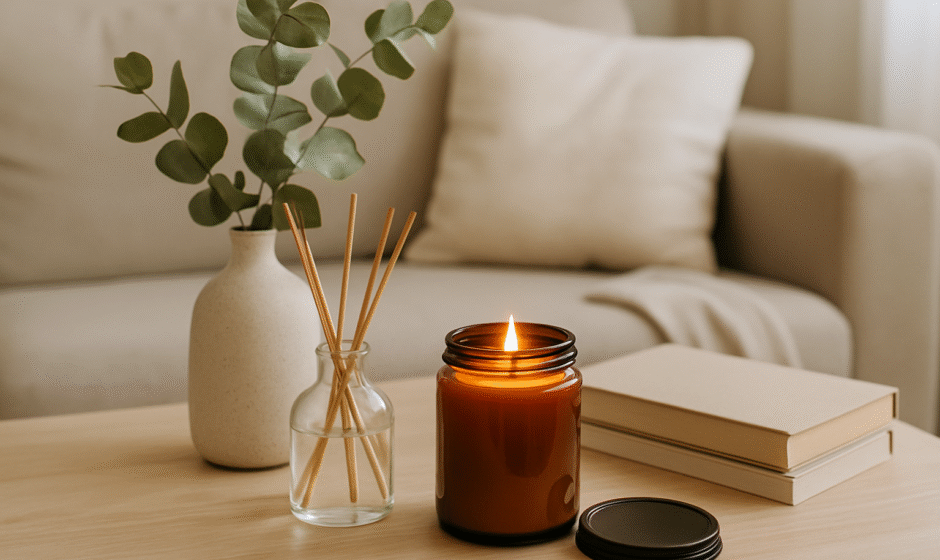
Your home should not only appear lovely, but also smell wonderful! A fresh, pleasant perfume can instantly lift your spirits, impress visitors, and make your flat feel more like a cozy retreat. Are you wondering how to make your flat smell nice? Whether you’re dealing with culinary odors or simply want to add a touch of luxury to your living space, there are plenty of simple ways to keep your flat smelling great every day, and this article will teach you how. Interested in learning more? Continue reading as we discuss the topic!
Why does your apartment smell?
If you’ve ever walked into your apartment and detected an unpleasant or persistent odor, you’re not alone. Even clean environments might develop odors from everyday activities like cooking, pet care, or simply leaving trash out for too long. Fabrics, carpets, and upholstery absorb aromas over time, and hidden moisture or mould can produce musty odours. Sometimes the aroma becomes so familiar that you don’t notice it until a visitor notes it. Identifying the source is crucial, whether it’s kitchen trash, moist towels, or something less visible like a plugged drain.
Understanding the fundamental issue is the first step toward making your apartment smell fresh.
How Do You Remove Bad Odors and Make Your Apartment Smell Better?
Do you want to make your home smell nice while also generating a fresh, inviting atmosphere? Unpleasant odors can accumulate over time, but with a few simple steps, you can address the issue at its source. Here’s how to get rid of unpleasant odors in the room and keep your apartment feeling fresh and inviting every day.
1. Identify and eliminate the source.
The first step in freshening up your flat is discovering what is creating the unpleasant odor. Smells might come from unexpected places, such as garbage cans, damp laundry, spoiled food, or mildew hiding behind walls. Taking the time to thoroughly evaluate your surroundings allows you to address the root cause rather than simply masking the odor. Once you’ve found the source, it’s vital to remove it. Take away the rubbish on a regular basis, wash your clothes, and wipe up any spills or stains as quickly as possible. Fix any moisture problems or leaks to prevent mould growth, and your flat will smell better.
2. Deep clean the fabrics and upholstery.
Fabrics such as drapes, rugs, and upholstered furniture absorb odors over time. Regular vacuuming is important, but a full clean every few months is necessary to remove trapped dust, dirt, and odors. Washing removable covers and using fabric-safe cleaning sprays can refresh these surfaces and remove lingering odors. If extensive cleaning is not a possibility, sprinkle baking soda over carpets and upholstery and let it stay for a few hours before vacuuming. Baking soda absorbs undesirable odors and leaves garments smelling cleaner, making it a simple suggestion for a quick refresh.
3. Keep trash under control.
If garbage cans are not emptied on a regular basis, they can become a major source of foul odors. Even modest amounts of food waste might start to stink. If you want your flat to smell good, start by throwing out the trash every day or every couple of days to avoid odors from gathering. In addition to emptying bins, clean trash cans. Wash them with soap and water on a regular basis, and use bin liners to avoid spills and leaks. This basic maintenance keeps unwanted odors from becoming permanent fixtures in your residence.
4. Control pet odors.
Pets bring a lot of joy, but they can also produce disagreeable odors. To keep odors at bay, your pet’s bedding must be cleaned on a regular basis, as well as groomed. Hoovering places where your pet spends a lot of time is an effective way to eliminate fur and dander. Accidents happen, so clean them up as soon as possible with pet-safe cleaners to eradicate bacteria that cause odors. Using air purifiers or odour-neutralizing spray designed exclusively for pet owners can also help keep your home smelling clean.
5. Fight Mold and Dampness
Mould and humidity are common sources of musty odors, which can be difficult to remove. In damp areas like bathrooms, kitchens, and basements, look for signs of mould growth. Using a dehumidifier and repairing leaks or water damage will help to reduce humidity and avoid mould growth. If you notice mould, clean it using the appropriate cleaning agents. To avoid mould and wetness, keep humidity levels low and ensure adequate ventilation.
6. Improve air circulation.
Good ventilation might help you maintain your natural odor. Opening the windows frequently allows stale air to escape and fresh air to enter, especially on sunny, breezy days. If your flat has few windows or restricted ventilation, fans can help disperse air around. Air circulation also helps to minimize moisture buildup, which can cause mold and odors. Investing in ceiling or portable fans is a simple and effective way to retain fresh air in your home.
7. Use Natural Odor Absorbers.
Natural smell absorbers are a great way to combat undesirable odours without using artificial perfumes. Baking soda, activated charcoal, and white vinegar are all effective at eliminating odors from the home. Place small bowls of them in rooms, closets, or freezers to absorb bad odors naturally. These options are safe, inexpensive, and environmentally friendly. They work discreetly in the background, helping your home smell fresher without overwhelming your senses with artificial fragrances.
8. Add Pleasant Fragrances.
How can I make a room smell better? Pleasant fragrances can elevate the ambiance in your apartment. Essential oil diffusers, scented candles, and natural potpourri are all great ways to add subtle, delicious scents. Create a relaxing atmosphere by using smells you prefer, such as lavender, citrus, or eucalyptus. Avoid overdoing it, as strong artificial odors can be overpowering or irritating. The goal is to enhance, not completely conceal, your home’s clean smell.
9. Use air purifiers.
Air purifiers are highly effective tools for improving indoor air quality and removing odor-causing contaminants. Many models contain activated carbon filters, which successfully remove smoke, cooking aromas, and pet odors. If you’re wondering how to make your flat smell better, using an air purifier on a daily basis will help keep it fresh. This is especially important if you live in a polluted area or your apartment lacks adequate ventilation. Investing in a high-quality air purifier produces cleaner, fresher air and a more comfortable living environment.
10. Keep Your Apartment Fresh with Plants.
Houseplants not only decorate your home, but they also assist to filter the air and reduce odors naturally. Indoor plants like spider plants, peace lilies, and snake plants are known for their capacity to purify the air and increase the overall freshness of your space. They also add a touch of greenery, making any space feel more welcoming. Remember to water your plants regularly and provide them with plenty of light. Healthy plants contribute to a healthier and more pleasant-smelling home environment.
Conclusion
A fresh-smelling flat not only boosts your mood but also improves your whole living experience. You won’t have to wonder how to make your flat smell great again if you keep to your cleaning schedule, apply natural deodorizers, and add subtle perfumes. At Namaste Forum, we think that a well-kept home is crucial for joyful living, and by following these easy guidelines, you can enjoy a clean, friendly environment every day.


The Benefits of Green Building
Green house construction practices have numerous advantages. Green home construction ideas can be applied into homes at many stages, including construction and remodeling. However, the greatest benefits of such constriction can be seen when architects and designers implement these principles at the start of a project. Here are some of the benefits of green building for a house construction project:
- Environmental benefits
The most prominent feature of green architecture is its favorable environmental impact. Green buildings assist to maintain our atmosphere and natural surroundings by using less water and relying less on nonrenewable energy sources such as fossil fuels. Eco-friendly housing construction not only saves water, but also improves water resources and preserves natural materials.
- Cost Savings and Economic Benefits
Going green is also a good financial decision. It results in a variety of cost-saving benefits, including decreased operational costs, better productivity for residents, and cheaper utility bills. Furthermore, it can increase returns on investment and financial profits by lowering operational costs. Green homes and buildings are simple to maintain, resulting in cheaper operating costs.
- Energy Efficiency and Conservation.
A major problem nowadays is to create livable structures that require less energy. Eco-friendly house construction does this by utilizing excellent insulation that maintains the ideal inside temperature. They also use smart air conditioning, natural light, and green roofs to save energy while making the structure more comfortable to live or work in.
How Can Green Home Construction Be Implemented?
Implementing Green Homes
Here’s a step-by-step tutorial for green home construction:
- Set clear goals.
Decide what you want from your green home. Consider saving electricity, being environmentally responsible, and lowering your carbon footprint.
- Choose the Right Location.
Choose a location where your home can benefit from natural elements such as sunlight and wind. Arrange your home such that it can be warmed by the sun and cooled by the breeze without the need for excessive heating or air conditioning.
- Energy-efficient Design
To ensure that your house is built in an environmentally friendly manner, you should hire an architect or designer that is experienced in designing green homes. They’ll help create a design that makes good use of natural light and air. To save energy, make sure your home is well-insulated and has the appropriate windows.
- Sustainable Materials
Use repurposed wood, recycled steel, and low-VOC coatings. These are better for you and the environment.
- Water Conservation.
Low-flow faucets, showerheads, and toilets can all help you save water. Collect rainwater outside and grow drought-resistant plants in your landscaping to save water.
- Smart Home Technology.
Get smart systems that allow you to control heating, cooling, lighting, and security from your phone. It is convenient and allows you to use energy more efficiently.
- Recycle and reduce waste.
When building, consider recycling or reusing resources. Less waste is always thought to be beneficial to the environment when building an eco-friendly home.
- Energy-efficient lighting
Use LED or CFL bulbs for lighting. They utilize less energy and last longer than traditional bulbs.
- Certification
Consider earning a green building certification, such as Leadership in Energy and Environmental Design (LEED). It demonstrates your home’s eco-friendliness and can even increase its worth if you sell it.
Different Types of Eco-Friendly House Materials
Sustainable house building entails adopting ecologically friendly materials to lower your carbon footprint, conserve energy, and reduce trash. Here are some environmentally friendly housing materials to consider:
- Recycled and reclaimed materials:
a) Recycled Glass: For a beautiful and environmentally sustainable look, think about using recycled glass countertops or tiles.
b) Reclaimed Wood: Use reclaimed wood for flooring, beams, and furniture to give your home a distinct look.
c) Salvaged Bricks and Stone: Use salvaged bricks or stone to construct attractive external walls while minimizing resource consumption.
- Sustainably Sourced Wood:
a) FSC-Certified timber: To ensure responsible wood sourcing, look for timber and plywood that has been certified by the Forest Stewardship Council.
b) Bamboo: Bamboo is a quickly regenerated resource that can be used in a variety of home applications.
- Low-VOC Paint & Finishes:
a) Low or Zero VOCs: To promote better indoor air quality, choose paints, stains, and finishes that contain low or zero volatile organic compounds (VOCs).
- Natural Insulation.
a) Wool, Cotton, or Recycled Denim: Natural insulation materials such as wool, cotton, or recycled denim can provide excellent and sustainable insulation.
b) Cellulose Insulation: Another eco-friendly building material is cellulose insulation derived from recycled newspaper, which provides effective thermal insulation.
- Energy-efficient Windows:
a) Double or Triple-Glazed Windows: To limit heat transfer and increase energy efficiency, install double or triple-glazed windows with low-E coatings.
b) Energy Star Rating: Choose windows with a high Energy Star rating to guarantee they meet energy efficiency requirements.
- Solar panels:
a) Clean Energy Generation: Purchase solar panels to provide clean, renewable energy for your home.
b) Solar Shingles or Integrated Roofing: Solar shingles or integrated solar roofing are both aesthetically beautiful and energy-efficient roofing options.
To summarize, embracing green home construction is more than just an environmental option; it is a wise and responsible method to create a sustainable future. We can lower our carbon footprint, save money, and create healthier living areas by utilizing environmentally friendly materials and sustainable activities. So, whether you’re a homeowner or a builder, deciding on eco-friendly home construction is a little step that can have a big impact on establishing a more sustainable and successful future.
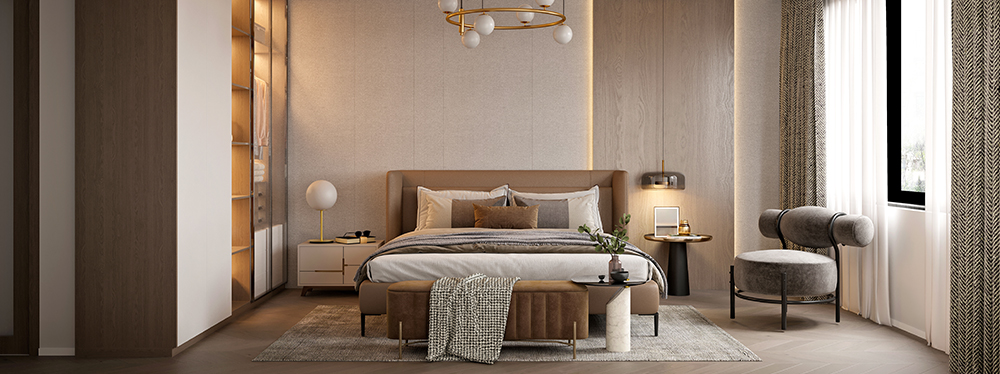
Discover the latest ideas in luxury bedroom interior design. Discover how to achieve elegance and comfort with creative space design, smart technology, and magnificent decor.
In India, functionality and deeply ingrained cultural designs play a significant role in luxury bedroom interior design. Luxury is defined by the combination of comfort and elegance. Many trends that combine elegance and personalization are meeting the demand for bespoke luxury bedroom interior ideas that are not only aesthetically beautiful but also extremely useful and reflective of distinct personalities. Luxury bedrooms are frequently distinguished by statement pieces such as huge beds with thick headboards, attractive nightstands, and spacious drawers that are both visually pleasing and functional. Superior materials and outstanding craftsmanship are the most important aspects of a luxury bedroom interior design.
Design for Elegance and Comfort.
Making the proper colour and texture selections is critical when building a luxury bedroom interior design. The foundational backdrop is frequently made up of soft, neutral colors like creams, beiges, and greys, which quiet and soothe the senses. Luxurious textures such as silk, velvet, or linens with a high thread count add tactile richness. Accent colours, which offer personality without overwhelming the peaceful ambiance, can be incorporated with items like as pillows and artwork.
Innovative use of space.
A luxury bedroom interior design must maximize both functionality and visual appeal, requiring innovative use of available space.
To make the most of your limited space, choose for versatile furniture such as ottomans that can be used for both seating and storage, or mattresses with integrated storage.
To minimize space in a luxury bedroom, utilize sliding doors rather than swinging ones.
Sliding panels can be utilized to divide a room in an artistic and stylish manner, providing flexibility and a contemporary vibe.
Luxury on a Budget.
When constructing a luxury bedroom, you should keep your budget in mind.
Purchase a few focal points in elegant yet economical designs, such as stylish throw pillows, textured rugs, or eye-catching artwork, to improve an area without breaking the budget.
A new coat of paint in a bright or elegant colour can instantly improve the appearance of any room, making it a cost-effective method to achieve elegance.
DIY bespoke elements, such as crown moulding, chair rails, or hand-painted accent walls, can offer a personal touch and sophisticated elegance while remaining cost-effective.
Look through thrift stores, estate sales, and online markets for luxurious yet unique items at a fraction of the cost.
Vintage antiques add timeless elegance and charm to budget-friendly luxury decor.
The Role of Technology in Modern Bedroom Designs
Integrating smart lighting systems into luxury bedroom interior design allows for customizable mood lighting, which improves the room’s ambience and functionality. Include motorized blinds or drapes in your luxury bedroom interior design to manage natural light with the touch of a button. This will enhance the room’s opulent feel while also providing a convenient addition. Substantial climate control systems that can be controlled via smartphone apps to ensure suitable temperatures are a prevalent part of modern luxury bedroom interior design.
To ensure a seamless blend of elegance and modern convenience, incorporate the most recent entertainment technologies into luxury bedroom interior ideas, such as hidden television units and built-in sound systems.
Highlighting Unique Design Styles.
varied people around us may have varied perceptions of what luxury is. There are numerous methods for achieving a sumptuous look in a space. Here are a few examples:
Eclectic Theme
The eclectic theme in luxury bedroom interior design is built on the right blending of many styles, materials, and colors, allowing for the development of a personalized space that includes a wide range of cultural influences. This design concept values diversity by using elements like as vibrant textiles, one-of-a-kind furniture, and eclectic décor from all over the world. To create a unified but different distinctive environment, each component should contribute to a well-balanced composition that appears selected rather than disorganized. This is the key to perfecting this style in a premium setting.
Modern minimalism
The contemporary minimalist motif in luxury bedroom interior design is influenced by the societal push for sustainability and simplicity. The ‘less is more’ design principle is central to this style, which emphasizes simple geometry, a monochromatic color scheme, and minimal furnishings.
Decorative Details That Make A Difference
A beautiful chandelier or a set of sculpture-inspired pendant lights can serve as the focal point of a room while also providing illumination.
Wallpaper with patterns and vivid colours can instantly transform a room, adding character and depth with little effort.
Paintings, sculptures, and bespoke installations that have been thoughtfully chosen lend a personal touch to a place while also improving its aesthetic appeal.
Fine textiles such as silk cushions, velvet curtains, and soft rugs provide texture and comfort to the area, enhancing its overall elegance and coziness.
Crown moulding, wainscoting, or decorative panels can significantly improve a room’s visual appeal and mood by providing architectural interest and a sense of craftsmanship.
Lighting: Setting the Ambiance.
To highlight architectural and design details while also ensuring that every part of the room is appropriately lighted, blend task, ambient, and accent lighting to create depth and warmth.
Install dimmable LED lights to increase flexibility and improve room ambience by adjusting brightness based on time of day or mood.
Lighting fixtures should be strategically placed to accent significant items such as artwork, reading nooks, or the bed itself, providing both attractive and useful lighting.
To give a touch of elegance and sophistication, use stunning lighting fixtures that serve as focus points, such as a huge chandelier over the bed or interesting sconces close to mirrors.
Integrating lighting into furniture, storage, and headboards creates a sleek and contemporary effect. This will result in seamless illumination that is both useful and visually appealing.
Maintenance Tips for Preserving Luxury
Cleaning luxury objects on a regular basis with the appropriate products will help to maintain its appearance and functionality.
Protect stone, wood, and leather from wear and environmental damage by applying a protective coating.
Store fragile products in regulated conditions to avoid damage caused by temperature and humidity variations.
Invest in professional cleaning and repair services to ensure that pricey goods are handled and maintained properly.
To extend the life of luxury things and keep them looking lavish, treat them with care and follow the manufacturer’s guidelines.
Takeaway
Use high-quality materials like fine woods, lush fabrics, and sophisticated metals to ensure longevity and a luxurious appearance. Choose eye-catching objects that capture attention and elevate the room’s luxury level, such as a majestic bed or elegant chairs. Add a personal touch to your bedroom by introducing handcrafted or customized components that reflect your personality. Depending on the intended environment, choose a color scheme that combines neutral foundations with bold or muted accents to create a unified color scheme that complements the overall design theme. When these elements are integrated, they form a luxury bedroom interior design that is both aesthetically beautiful and cozy, creating a one-of-a-kind environment. Enhance your living spaces with Interior Design Solutions, proudly presented by Fifth Wall Designs. Experience exceptional creativity and craftsmanship designed specifically for you. Are you ready to transform your home into a design masterpiece? Contact us today to start your path to a magnificent and bespoke interior, completely tailored to your needs.
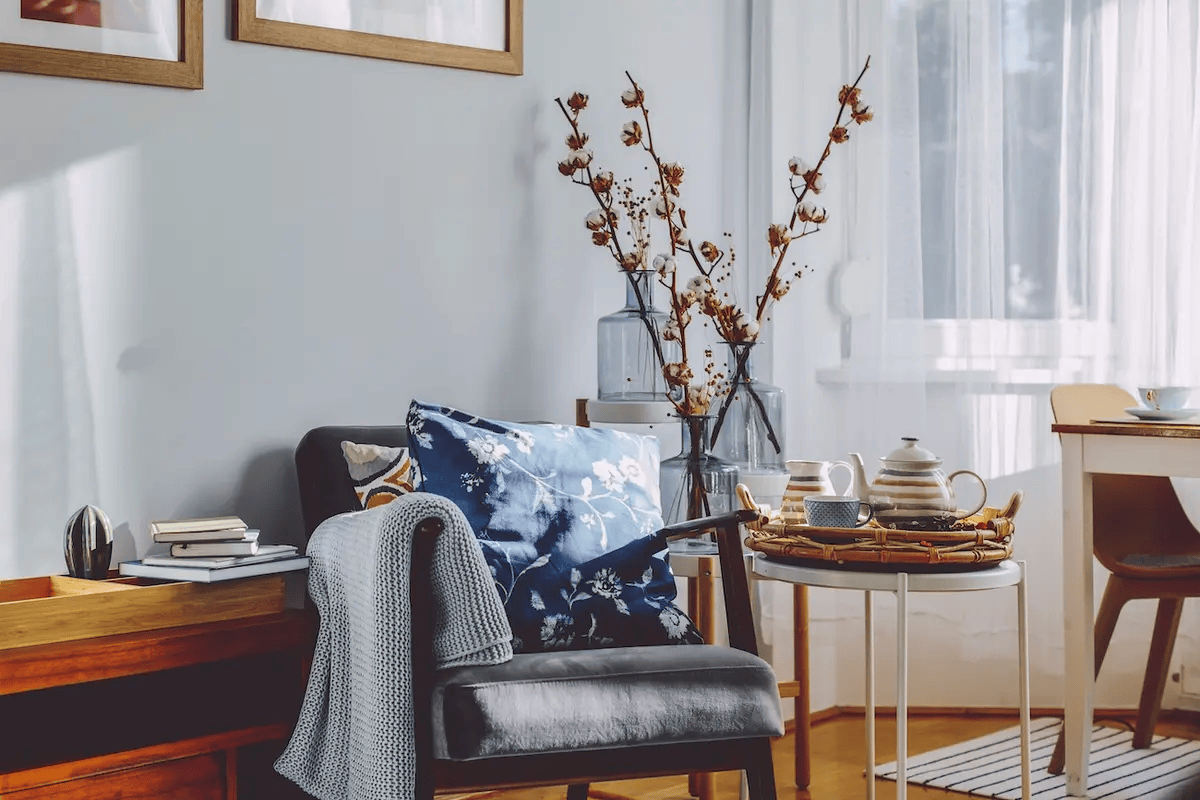
Introduction
What homeowners expect from their spaces is changing. According to a new design forecast research from luxury brokerage Engel & Völkers, homes in 2026 are projected to do far more than just look good. Design choices are increasingly focused on well-being, comfort, and creating places that represent how people actually live.
- Wellness Design
Features that were formerly considered luxurious enhancements are now expected. Homes are being constructed to enhance physical and mental well-being by incorporating natural light, improved air quality, and comfort-enhancing materials. Flexible spaces are also being used for wellness routines, such as yoga sections, quiet recuperation corners, cold plunges, and sauna facilities included into the layout. The goal is to create a home that makes people feel good.
- Feel-good style.
Rather of adhering to prescriptive style guidelines, homeowners select design items based on how a space feels. Colors, textures, and patterns are increasingly chosen to enhance relaxation, energy, or concentration. Soft neutrals inspired by stone, sand, and nature are appealing, and patterns that mimic water movement or natural landscapes can help create a sense of balance.
- Warm, earthy interiors.
Another popular color palette features warm, grounding tones such as terracotta, spice colors, taupe, and sun-washed browns. These rooms stress relaxation and comfort. Texture also plays an important part, with layered materials such as relaxed linens, boucle textiles, and woven accents providing softness and warmth. The end result is a home that seems snug and inviting.
- Seaside cool
Designers refer to another growing look as “Seaside Cool.” These interiors are inspired by the relaxing affects of seaside locations, with layers of blues, gentle greys, and natural woods. The look is not always beach-themed. Instead, it focuses on creating light, airy environments that are relaxing and uncomplicated.
- Personality-rich interiors.
Homeowners are shifting away from carefully planned rooms and toward more personal places. Heirlooms, artisan pieces, and vacation treasures are replacing conventional décor to create multi-layered houses that represent the individuals who live in them.

Mumbai Police Book 2 Goa Residents in ₹41 Lakh Real Estate Extortion Case

Chembur’s ₹142 Crore Deal

SCLR Phase-II

43,000 Homes Unsold in Navi Mumbai Amid Buyer Slowdown

Vijayta Raheja Applauds India’s ₹4 Lakh Crore Urban Vision at ET Maharashtra Business Summit

K Raheja & IHG Team Up to Elevate Powai’s Hospitality Landscape
-
 Real Estate News5 months ago
43,000 Homes Unsold in Navi Mumbai Amid Buyer Slowdown
-
 Real Estate News4 months ago
Vijayta Raheja Applauds India’s ₹4 Lakh Crore Urban Vision at ET Maharashtra Business Summit
-
 New Projects & Launches5 months ago
K Raheja & IHG Team Up to Elevate Powai’s Hospitality Landscape
-

 Real Estate News5 months ago
Mumbai’s Largest MHADA Redevelopment Drive Set to Transform 923 Acres
-

 Global Real Estate5 months ago
Spanish Youth Hostel Group Considers London Real Estate Deals
-

 NRI Real Estate5 months ago
Will NRI Investments Drive Mumbai Housing?
-

 Real Estate News5 months ago
John Abraham Firm Renews Bandra Rent at ₹12L/Month
-

 NRI Real Estate5 months ago
How NRIs Are Driving India’s Property Market?