The term “affordable housing” became a buzzword across the country when the Government of India launched the “Pradhan Mantri Awas Yojana” in 2015, with the goal of providing “housing for all by 2022”.
Also known as the affordable housing project, this public initiative aims to provide a home for everyone, including those with incomes below the median household. The term “affordable housing” is frequently connected with a self-owned residence that has all standard amenities for comfortable living for the economically disadvantaged (EWS) and lower income group (LIG).
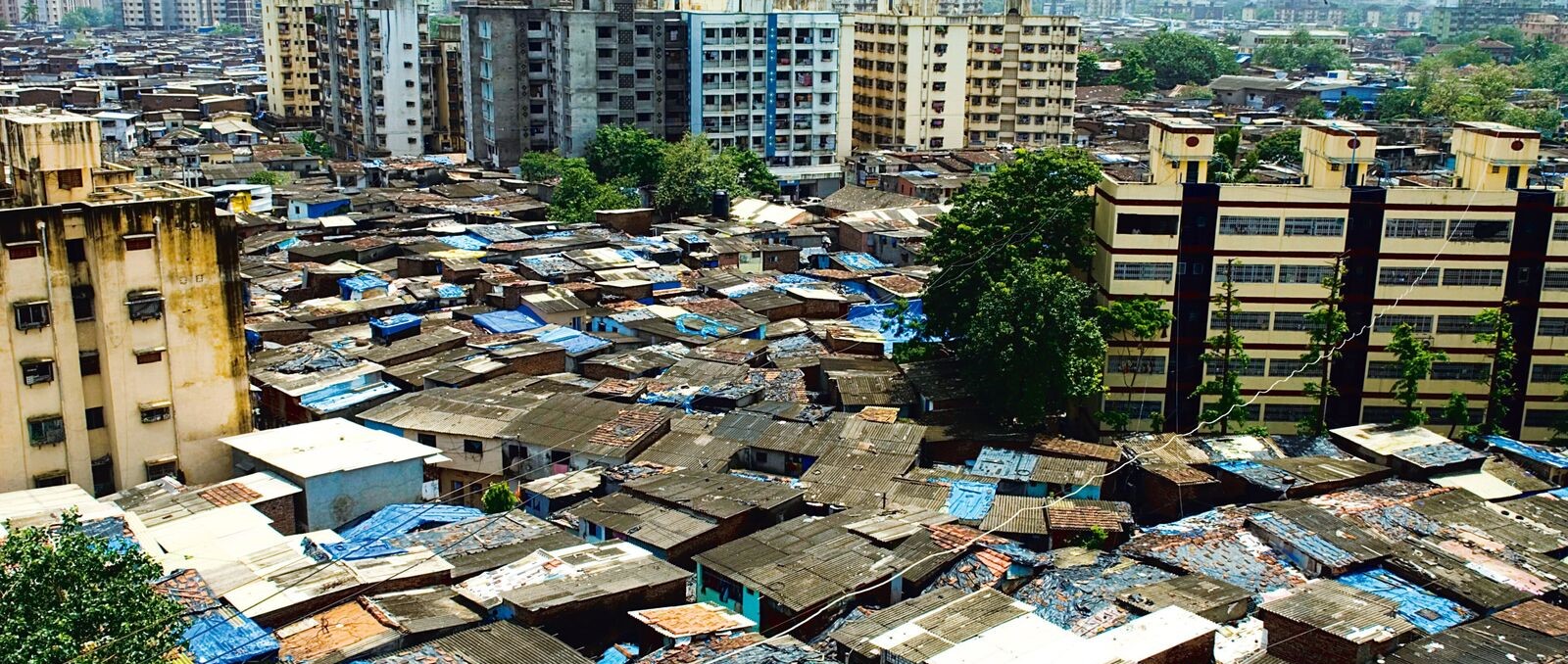
And, while different public and private sector organizations are collaborating to develop inexpensive housing projects in Delhi NCR and other regions of India in order to achieve the aforementioned goal, the fact that there is another side to the word “affordable housing” cannot be overlooked.
Affordable housing for the middle class
Before we dig deeper into the potential implications of “affordable housing,” we must first establish the definition of “affordability” in the Indian context. While doing so, one cannot help but note that the term “affordable housing” has a considerably broader local meaning.
Therein, “affordable housing” refers to residential real estate properties that are reasonably priced and hence accessible to the majority of the people, which in India is the middle class.
The mid-income group, often known as the middle class, is a segment of society that, while better off than the EWS and LIG, is nonetheless vulnerable to high housing prices in their respective localities.
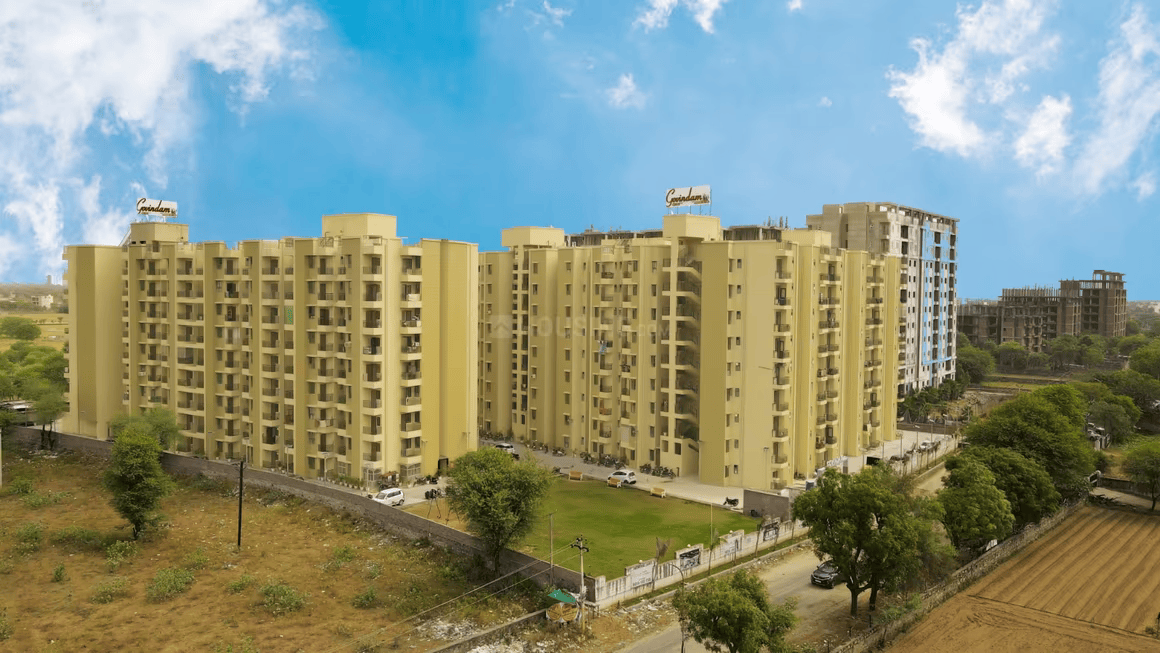
With the introduction of cheap housing projects in Delhi NCR, aimed mostly at the mid-income population, it appears that even the real estate sector is aware of what the term “affordable housing” might mean.
Some common features of affordable residential properties in Ghaziabad
• Well-located – With inexpensive properties being built near commercial hubs and other great places throughout the city, homebuyers no longer have to settle in remote areas.
• Good connectivity – These properties are not only well-connected to various parts of the city and its surroundings by highways, but they also offer a variety of modes of transit available to residents.
• Sound infrastructure – Public infrastructure, such as schools, colleges, hospitals, banks, ATMs, and so on, is also easily accessible.
• Load of amenities – These housing buildings have amenities including power backup, 24-hour water supply, lifts, gymnasiums, and swimming pools to assure residents’ comfort.
• Safety and security – The tenants’ and their families’ safety, as well as the protection of their belongings, are taken very seriously. CCTV cameras, fire alarms, and expert guards all help to assure this.
• Green-living in practice – Large green spaces, gardens, and lawns within these developments ensure that environmentally friendly living standards are maintained.
Real estate is one of the most dynamic industrial sectors in the country. Affordable housing is one of the most significant and ground-breaking innovations implemented by this sector in recent years, and it has all the potential to succeed and tackle habitation concerns across the country.



 Here is what you should know about "affordable housing"




No Comments