
Market Trends
What makes Ayurveda different?


Perhaps what distinguishes Ayurveda from other medical disciplines is its emphasis on regular detoxification of the body, which removes barriers to health and recovery.
Ayurveda does not advocate for momentary relief from aches and pains. It seeks to address the root cause of pain, which is frequently linked to poor digestion, inadequate nutrition, and toxin buildup in the body. Toxins can include undigested food that accumulates in our joints and open places throughout the body.
Consider, for example, someone who is overweight and has knee pain. Simply recommending “more exercise” and a weight-loss plan may not assist that individual get out of pain; instead, it may aggravate the disease and cause mental stress. An Ayurvedic doctor, on the other hand, goes beyond the person’s weight issue and evaluates the role of toxicity (undigested materials) in the knee joints, which causes heat and pain. To manage the inflammation, the knee joints must be cleaned of toxins and lubricated with healthy fluids both internally and externally. Yoga and exercise are likely to be more effective and long-lasting once the knees are healthier and the pain has passed. This is one basic way to comprehend the Ayurvedic approach: detoxify the body and restore its ability to heal itself. The immune system is strengthened, and energy levels are significantly increased. When this occurs, immense confidence builds in the mind that health, healing, and happiness are conceivable, as well as the ability to easily repel undesirable viruses.
Ayurveda places a stronger emphasis on both disease prevention and self-healing. Ayurveda aims to empower people to conduct their lives in such a way that they can slow down the consequences of aging and create self-care routines and habits that will eventually promote and sustain self-healing.

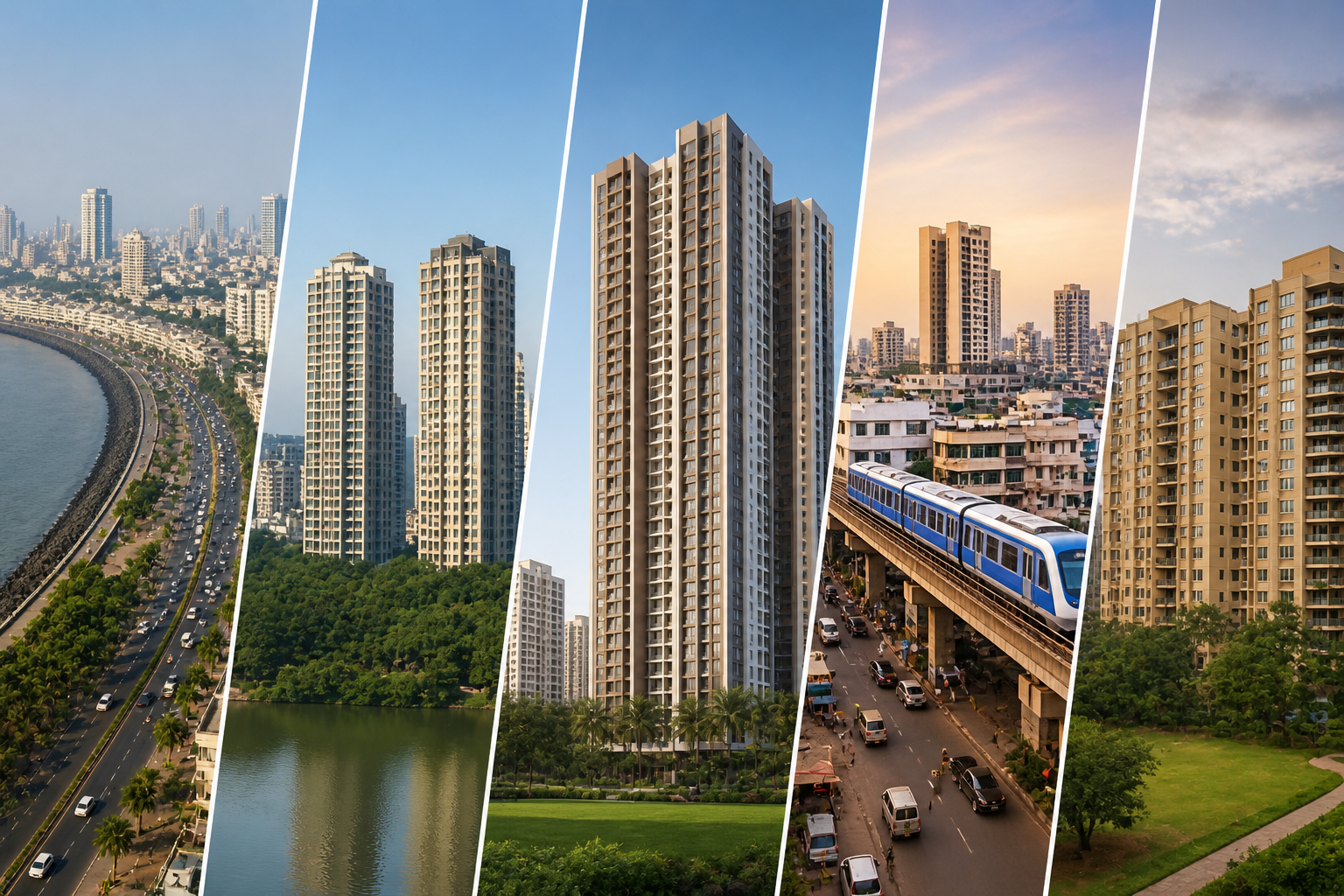
In Mumbai’s real estate market, 1 and 2-BHK apartments continue to be the most popular, accounting for the majority of new launches and transactions. Their attractiveness stems from their practicality; they are affordable to the city’s large buyer base, generate consistent end-user and investor demand, and provide developers with shorter sales cycles.
However, underlying this volume-driven narrative, a quieter transformation has been occurring. In the years following COVID-19, demand switched toward larger 3- and 4-BHK homes, as homebuyers prioritized room, flexibility, and lifestyle improvements. The ultimate effect is a market characterized by dual momentum: small dwellings drive numbers, while larger residences command price power and form the premium end of new supply.
The numbers speak for themselves. According to official estimates, over 42,000 units were registered for launch in Mumbai with the Maharashtra Real Estate Regulatory Authority, with 1 and 2 BHK flats accounting for roughly 55%.
According to MahaRERA data, 25,061 of the 42,643 units launched in 2025 were one- or two-bedroom apartments. In 2025, 2.5 BHK, 3 BHK, 3.5 BHK, and 4 BHK apartments made up 23% of total units, or more than 10,000. In addition, 790 studio flats were launched in 2025.
According to the data, of the 42,643 debuts in 2025, 34% were two-bedroom apartments, 23% were one-bedroom apartments, 19% were three-bedroom flats, and 4% were four-bedroom apartments.
Five places in the Mumbai real estate market where buyers can purchase one-bedroom flats.
1) Dahisar
Dahisar, located on the city’s northern outskirts, is one of the most cheap micromarkets in Mumbai’s real estate market. Local brokers estimate that 1 BHK apartments in Dahisar cost between ₹20,000 and ₹25,000 per sq ft and rent for ₹20,000 to ₹30,000 per month.
2) Borivali-Kandivali belt
The Borivali and Kandivali belts are important micromarkets in Mumbai’s western suburbs. Local brokers estimate that flats in this area cost between ₹30,000 and ₹40,000 per square foot, with monthly rental rates ranging from ₹30,000 to ₹40,000.
3) Mulund
Mulund lies on the eastern edge of the Mumbai real estate market, near to Thane. Local brokers report that prices per square foot range from ₹20,000 to ₹30,000. Rental prices for 1 BHK apartments range from ₹20,000 to ₹35,000.
4) Bandra
Bandra is connected with Bollywood, and many celebrities and actresses have homes there. Several actors own residences in Bandra, including Shah Rukh Khan, Salman Khan, Aamir Khan, Ranbir Kapoor, and Deepika Padukone.
Apartments can cost between ₹70,000 and ₹1 lakh per square foot, according to local brokers. A 1 BHK flat typically costs between ₹60,000 and ₹1 lakh per month to rent.
5) Andheri
Andheri, located in the city’s western suburbs, is regarded central to the Andheri, BKC, and South Mumbai commercial business sectors. It also provides Metro access to the eastern portion of the city and will shortly link to Powai.
Local brokers estimate that apartments in Andheri cost between ₹40,000 and ₹80,000 per square foot, depending on the property. The 1 BHK rental value ranges from ₹40,000 to ₹50,000.

A national court concluded that the Dutch government failed to protect Bonaireans by not assisting them in adapting to climate change.
Eight citizens of the tiny Caribbean island filed the action in early 2024. They accused the Dutch government of failing to protect them from the severe effects of climate change, such as rising temperatures and sea levels, and were supported by Greenpeace. Bonaire became a special Dutch municipality in 2010, and around 80% of its 26,000 residents hold Dutch citizenship.
The Hague District Court dismissed the individuals’ objections but accepted the claim brought by Greenpeace, which is acting on their behalf.
Human Rights Breach
On Wednesday, the court ruled that the disproportionate treatment of Bonaire residents in comparison to the European part of the Netherlands is illegal, and that insufficient mitigation and adaptation violates the European Convention on Human Rights. It specifically ruled that the government’s actions violated the convention’s Articles 8 and 14, which safeguard the right to life and respect for private and family life.
The verdict was the first time a national court utilized the rules established in a landmark 2024 opinion by the European Court of Human Rights (ECtHR), which concluded that state inactivity on climate infringes human rights. KlimaSeniorinnen, an elderly women’s society created in 2016, filed the lawsuit against the Swiss government for its poor climate strategy. They successfully claimed that inaction would result in higher temperatures and endanger their health, particularly for members over 75.
The Dutch court was also the first in the world to decide that a state discriminates against its own citizens by neglecting to establish and implement a climate adaption plan.
The Netherlands was granted 18 months to implement further adaptation measures and establish binding interim greenhouse gas emission reduction targets based on its fair commitment to keeping global warming below 1.5 degrees Celsius by the end of the century.
“Today, we are making history,” stated Onnie Emerenciana, a plaintiff in the lawsuit. “Finally, The Hague cannot ignore us. The court is marking a line in the sand. Our lives, culture, and country are all treated seriously. The state cannot continue to turn a blind eye. The next stage is to free up funds and expertise for specific action plans to defend our island. We truly need to work together; Bonaire cannot fix this alone.”
Marieke Vellekoop, Director of Greenpeace Netherlands, described the ruling as “historic” and a “huge breakthrough.” She urged incoming Prime Minister Rob Jetten to “bring this ruling to the cabinet’s negotiating table tonight and ensure that funding is made available for Bonaire-specific protective measures and adequate climate policy.”

What does a balanced diet entail?
A well-balanced diet provides essential nutrients for optimal physiological function. Proteins, carbohydrates, fats, vitamins, and minerals are among these nutrients. Furthermore, fiber, which is essential for maintaining a healthy digestive tract, should be an important part of any balanced diet.
In Ayurveda, the act of eating food is taken seriously. It is not supposed to be a leisure, an unconscious activity, or anything motivated by desires and whims. Ayurveda emphasizes careful eating. Being thoughtful and intentional about what, when, why, and how we consume. Ayurveda is not about counting calories or following strict regulations, but there is a philosophy underlying the act of eating.
An Ayurvedic sage has said the following:
Ayurveda promotes a healthy diet that benefits not just the body but also the mind, senses, and spirit. Food, after all, provides vitality and power. It provides sustenance and luminosity. Ayurvedic nutrition is closely related to the three doshas (energy systems) and takes into account each individual’s specific nutritional requirements. consuming according to your constitutional makeup promotes equilibrium, whereas consuming dosha-aggravating foods causes imbalances. The idea that “food is medicine” is unique to Ayurveda. Food is the major preventive tool in Ayurveda, as well as the first step in restoring mental and physical balance. Although we frequently say, “You are what you eat,” Ayurveda would change it to, “You are what, how, when, and why you eat.” Your well-being is influenced not just by the foods you eat, but also by your mood, the environment, the time of day, and the season in which you consume them.

How the Bandra – Versova Link Will Boost Suburbs?

Bombay HC Pushes MHADA on Jogeshwari Redevelopment

Top 5 Mumbai Spots for 1 BHK Homes

Mumbai’s Largest MHADA Redevelopment Drive Set to Transform 923 Acres

K Raheja & IHG Team Up to Elevate Powai’s Hospitality Landscape

Northfield Sees New Affordable Housing Underway
-
 Real Estate News3 weeks ago
Mumbai’s Largest MHADA Redevelopment Drive Set to Transform 923 Acres
-
 New Projects & Launches3 weeks ago
K Raheja & IHG Team Up to Elevate Powai’s Hospitality Landscape
-
 Global Real Estate1 month ago
Northfield Sees New Affordable Housing Underway
-

 Global Real Estate1 month ago
Spanish Youth Hostel Group Considers London Real Estate Deals
-

 NRI Real Estate1 month ago
How NRIs Are Driving India’s Property Market?
-

 Real Estate News1 month ago
John Abraham Firm Renews Bandra Rent at ₹12L/Month
-

 Real Estate News1 month ago
Lower Parel Sees ₹60Cr+ Luxury Property Boom
-

 Real Estate News2 weeks ago
Vijayta Raheja Applauds India’s ₹4 Lakh Crore Urban Vision at ET Maharashtra Business Summit