


 Top 7 Well-Planned Indian Cities Will Generate Massive ROI by 2030
 This Blog focuses on seven well-planned cities that have been carefully selected and analyzed for their significant potential to generate large returns over the next five years. These cities are seeing tremendous expansion due to rising IT and manufacturing industries, as well as large initiatives conducted by both global and local corporations.
Table of Contents
1 – Navi Mumbai
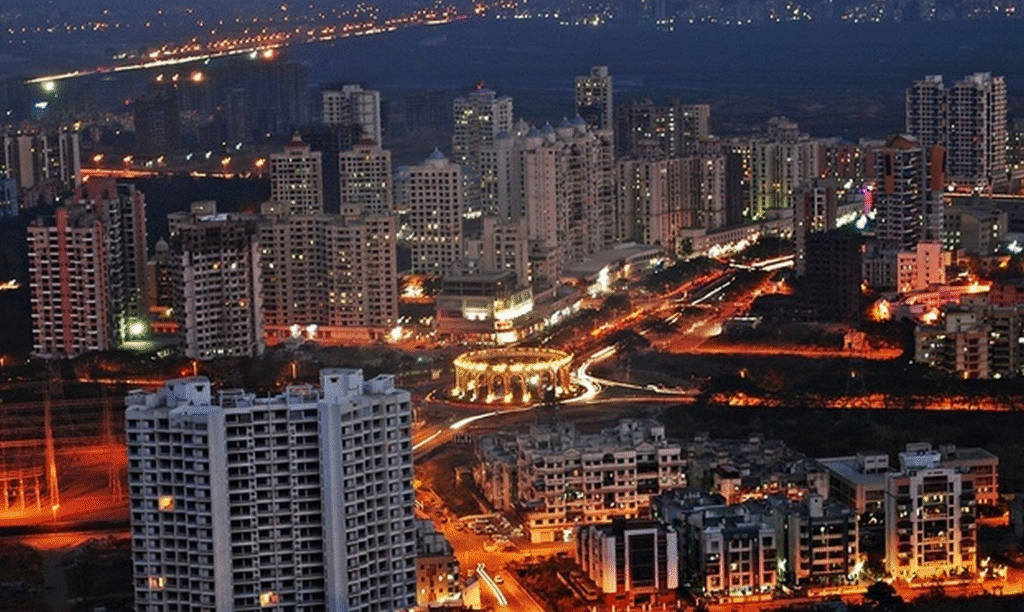
By 2025, Navi Mumbai has emerged as one of India’s fastest growing real estate markets, with annual property price increases ranging from 12% to 17.4%. The city has several upscale shopping complexes and huge retail businesses. The average residential property price ranges from ₹9,000 to ₹16,000 per square foot. Key micromarkets include:
| Area | Avg price per sq ft | Price trend YoY |
| Taloja | ₹6,500-₹8,500 | 15% |
| Ulwe | ₹9,000-₹12,000 | 14% |
| Seawoods | ₹12,500 – ₹15,000 | 10% |
Infrastructure Catalysts
The Navi Mumbai International Airport (57% complete, slated to open in October 2025) would increase residential and commercial demand in adjacent areas such as Ulwe and Dronagiri.
The Mumbai Trans Harbour Link (MTHL) has gone active. Travel time between South Mumbai and Navi Mumbai has been reduced from 45 minutes to 20 minutes since January 2024.
The Panvel-Karjat rail project (67% completed) will save over 30 minutes in travel time.
End users will wonder if they have discovered a location that offers not only a luxurious lifestyle but also significant capital appreciation; investors will notice that such infrastructure development will generate short- to medium-term profits.
2 – Noida (Uttar Pradesh)
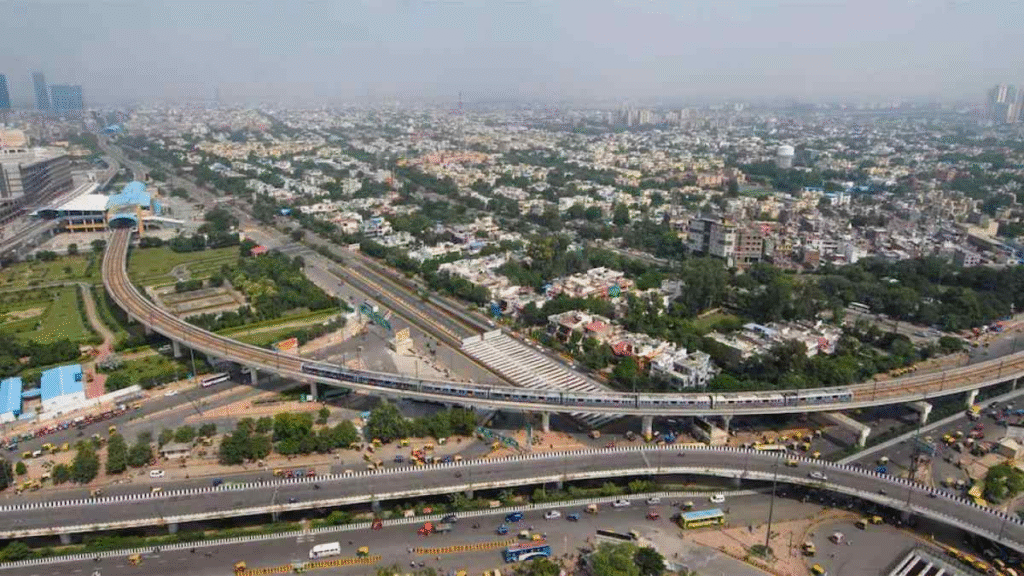
Noida is in the premium sector, with an average property price range of ₹9,200-₹12,773 per sq. ft. anticipated in 2025. Property rates have risen sharply, with a 69% increase in new home launches across NCR in 2025.
| Area | Avg per sq ft | Growth rate |
| Yamuna Expressway corridor | ₹6,500 | 16-18% |
| Sector 150 | ₹12,000 | 15-18% |
| Sector 94 | ₹10,900 | 12-15% |
| Sector 62 | ₹9,200 | 11-15% |
Infrastructure Developments
The Jewar International Airport will drastically raise property demand in sectors like 150 and Noida Extension, as well as increased IT parks.
The Delhi Metro expansion now connects Noida, Greater Noida, and Delhi.
The medium-term capital appreciation strategy targets first-time home buyers, investors with a limited budget, and corporate workers searching for a place to live that is both reasonable and well-connected.
3. Gandhinagar (Gujarat)
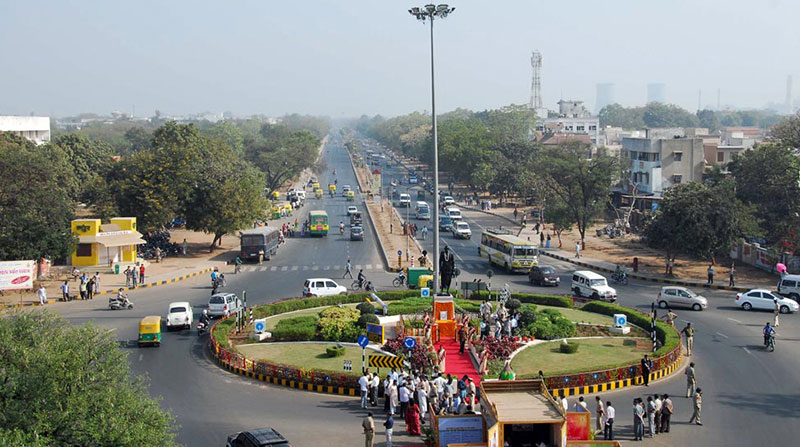
Gandhinagar’s property rates increased by 120% between 2018 and September 2024, making it India’s fastest rising city in this statistic. Apartments currently cost between ₹5,500 and ₹7,500 per square foot, and are predicted to grow at an annual pace of 8-10%. The Gujarat International Finance Tec-City (GIFT) has revolutionised Gandhinagar’s real estate story by luring global banks, stock exchanges, fintech firms, and IT companies, all of which produce new jobs. GIFT City has seen a 30% increase in price during the last 18 months.
Infrastructure & Planning: The Ahmedabad-Gandhinagar Metro, the Gandhinagar-Mumbai Bullet Train, and the Sabarmati Riverfront Development are all initiatives that generate recreational places while improving urban quality of life.
Best for: Long-term wealth builders wanting consistent growth; investors seeking exposure to India’s first international financial hub; and NRIs and NRI origin professionals.
4. Indore (Madhya Pradesh)
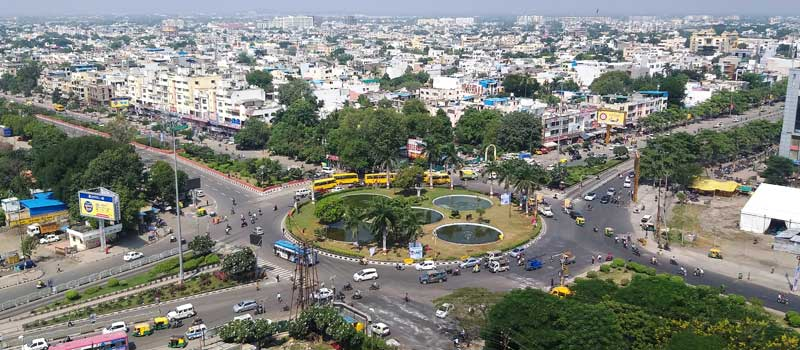
Indore, India’s cleanest city, is seeing remarkable transformation in its real estate sector, with property prices reaching ₹5,550-₹6,600/sq.ft in important regions. Surprisingly, guideline rates have risen 26% on average, with some micro-markets experiencing 51-190% jumps, demonstrating institutional confidence. Prices in key neighbourhoods such as Super Corridor, Rau, and Nipania range from ₹4,350-₹6,600/sq.ft, with yearly appreciation of 9-10%. Pipliyahana has the highest three-year growth rate at 140.9%.
Infrastructure development: India’s Smart Cities Mission The city’s distinction as India’s cleanest city for numerous years in a row boosts liveability perception. Property value growth of 30-40% is expected in emerging zones along the M3R (Multi-Model Metro Ring Road), reflecting high investor confidence. The primary projects are IT sector expansion, multi-modal logistics, Indore-Ujjain Highway, Riverfront renovation, and this project would stimulate real estate growth.
High-growth potential searchers; investors targeting 9-26% yearly appreciation; those seeking large leverage from infrastructure projects; and medium- to long-term wealth building
5. Coimbatore (Tamil Nadu)
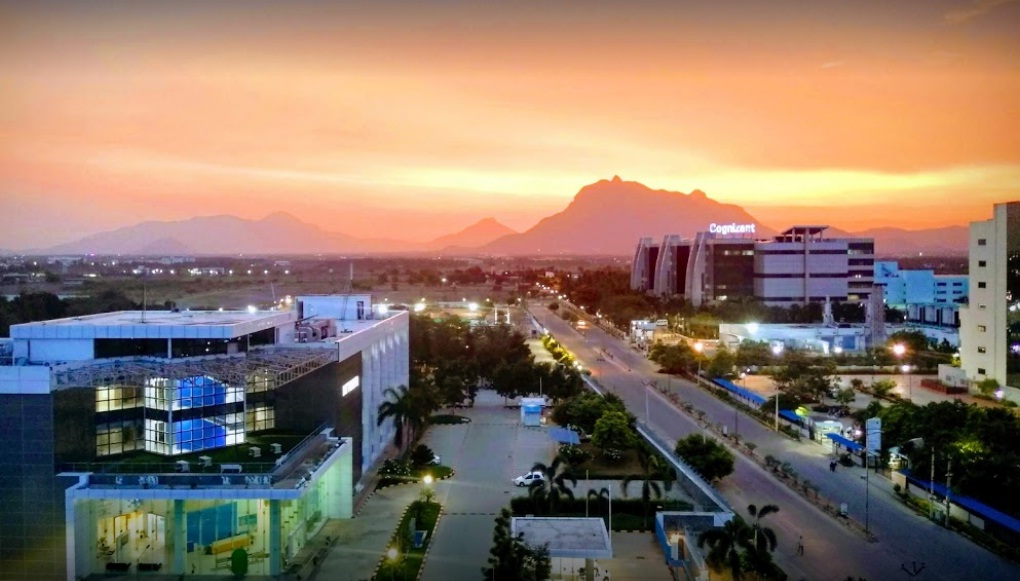
The IT sector in Coimbatore has been rapidly expanding, and many major corporations now have a presence in the city. The demand for IT has expanded significantly over the previous year, and some of the city’s largest premises have been grabbed by companies like as Infosys, Mikro Graefio, Tech Mahindra, and HDFC. In addition, smaller IT companies have occupied units ranging in size from 20,000 to 50,000 square feet. Peelamedu, Saravanampatti, and Vilankurichi have seen higher appreciation rates (ranging from 24.7% per year in rapidly developing areas). Eastern Coimbatore’s home prices are predicted to rise by 10-15% in 2025, aided by expanding commercial zones and new industrial parks.
Infrastructure Development: The Coimbatore Metro Rail Project, NH-544 expansion, and significant flyover developments (particularly the Avinashi Road flyover) are shortening travel times and enhancing city connections. Under the Smart City Mission, Coimbatore is improving roads, drainage systems, public spaces, street lighting, trash management, and water supply in both central and suburban districts.
Conservative investors looking for consistent profits; professionals looking for a quality of life with urban amenities; individuals looking for a low-cost entry point with moderate appreciation; and medium- to long-term wealth development.
6. Bhubaneswar (Odisha)
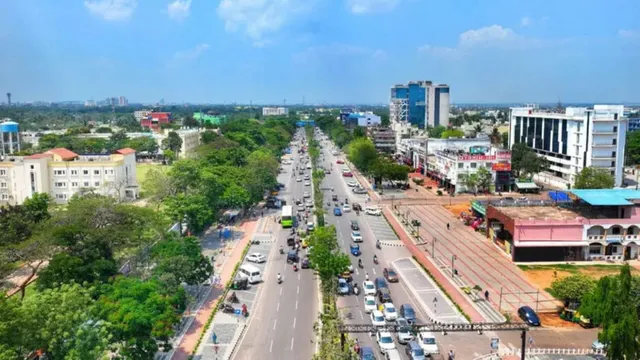
The Bhubaneswar office market was quiet in the first half of 2025 due to very low demand and supply. Commercial space was absorbed at a rate of approximately 1.0 lakh sq. ft., with numerous small businesses establishing themselves in Bhubaneswar. The IT/ITeS, BFSI, and industrial sectors have a significant impact on Bhubaneswar’s commercial real estate market. During the first six months of 2025, ITC and Nippon India were the two largest firms leasing office space in the city. The typical rent in major business neighbourhoods ranges from INR 60 to 150 per square foot per month.
Infrastructure development: Bhubaneswar was voted No. 1 in India’s Smart City Challenge. The city is implementing a comprehensive ₹8,179 crore New City Development Scheme approved by the Odisha Cabinet in September 2025. This scheme would develop 800 acres across Gothapatna, Malipada, and Daspur into a modern transit-oriented metropolis.
Long-term wealth builders; renters seeking 2-4% yearly rental yields; professionals and students looking for inexpensive housing; and investors with long investment horizons.
7. Amaravati (Andhra Pradesh)
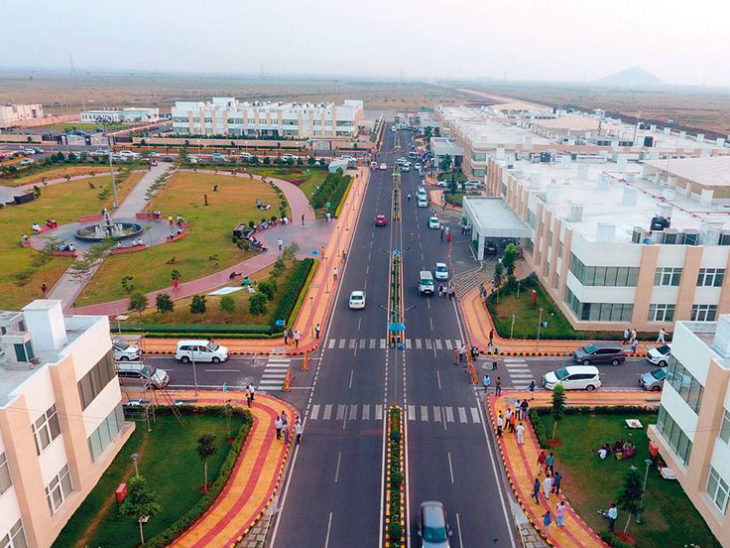
Amaravati is a greenfield urban development project with lofty ambitions to become a world-class metropolis. Recently, the city has seen a real estate revival, with land prices increasing by 60-100% as a result of government policy reforms.
Major infrastructure projects: The creation of growth corridors and World Bank finance costs ₹81,317 crore. The city’s backbone is a comprehensive road system consisting of 360 km of main highways and 1,500 km of internal ones, as well as hidden infrastructure for water, sewage, electricity, and telecommunications, as well as government offices, residential areas, and flood control systems.
Speculative long-term investors, NRIs, and institutional investors seeking to participate in a high-growth capital city with the greatest upside potential over the next 10-15 years.
Conclusion
These seven cities are the future of planned urban development in India, with major government investment, smart infrastructure location, and solid economic fundamentals. Navi Mumbai has the most mature infrastructure and rapid benefits, whereas locations such as Indore and Amaravati have larger growth potential and risk profiles.




No Comments