Russia has praised Donald Trump’s new US National Security Strategy, describing it as “largely consistent” with Moscow’s vision.
The 33-page study, released by the US administration last week, suggests that Europe is facing “civilisational erasure” but does not portray Russia as a threat to the US.
Other priorities stated in the study include combating foreign influence, halting mass migration, and opposing the EU’s perceived value of “censorship”.
Several EU officials and commentators questioned the strategy’s emphasis on free expression, comparing it to Kremlin language.
“The adjustments we’re seeing… are largely consistent with our vision,” Kremlin spokesperson Dmitry Peskov said in an interview published on Sunday by Russia’s state news agency TASS.
“We consider this a positive step,” he said, adding that Moscow would continue to review the text before forming any firm judgments.
The policy uses softer language towards Russia, which EU officials fear may undermine its response to Moscow in ending the war.
The letter blames the EU for impeding US efforts to settle the crisis and states that the US must “re-establish strategic stability with Russia,” which would “stabilise European economies.”
“The adjustments we’re seeing… are largely consistent with our vision,” Kremlin spokesperson Dmitry Peskov said in an interview published on Sunday by Russia’s state news agency TASS.
“We consider this a positive step,” he said, adding that Moscow would continue to review the text before forming any firm judgments.
The policy uses softer language towards Russia, which EU officials fear may undermine its response to Moscow in ending the war.
The letter blames the EU for impeding US efforts to settle the crisis and states that the US must “re-establish strategic stability with Russia,” which would “stabilise European economies.”
It appears to support efforts to influence policy on the continent, stating that US policy should prioritize “resistance to Europe’s current trajectory within European nations”.
The new paper also calls for the restoration of “Western identity,” claiming that Europe will be “unrecognisable in 20 years or less” and that its economic woes will be “overshadowed by the real and more stark prospect of civilizational erasure.”
“It is far from obvious whether certain European countries will have economies and militaries strong enough to remain reliable allies,” according to the letter.
In stark contrast, the text acknowledges the influence of “patriotic European parties” and states that “America encourages its political allies in Europe to promote this revival of spirit”.
While the EU is in continued talks with the Trump administration to establish a peace settlement in Ukraine, several officials emphasized their long-term connection with the US while raising “questions” about the agreement.
“The United States will remain our most important ally in the NATO alliance. “This alliance, however, is focused on addressing security policy issues,” German Foreign Minister Wadephul stated on Friday.
“I believe questions of freedom of expression or the organisation of our free societies do not belong [in the strategy], in any case at least when it comes to Germany,” explained the politician.
However, the European Council on Foreign Relations, a research tank, stated that the text “places itself to the right of the extreme right.”
“Its language that one otherwise only finds coming out of some bizarre minds of the Kremlin,” the ECFR co-chair and former Swedish Prime Minister Carl Bildt said on social media.
The United States has grown closer to Germany’s far-right AfD party, which German intelligence considers extreme right.
The policy, which promotes a “America First” ethos, states that the US aims to target accused drug-trafficking boats in the Caribbean Sea and the eastern Pacific Ocean, while also considering military action in Venezuela.
The United States also urges Japan, South Korea, Australia, and Taiwan to enhance their defense spending.
Democrats in Congress feared that the document might destabilize US foreign policy.
Representative Jason Crow of Colorado, who serves on House committees overseeing intelligence and the armed services, branded the plan “catastrophic to America’s standing in the world”.
According to New York Representative Gregory Meeks, it “disposes of decades of value-based US leadership.”




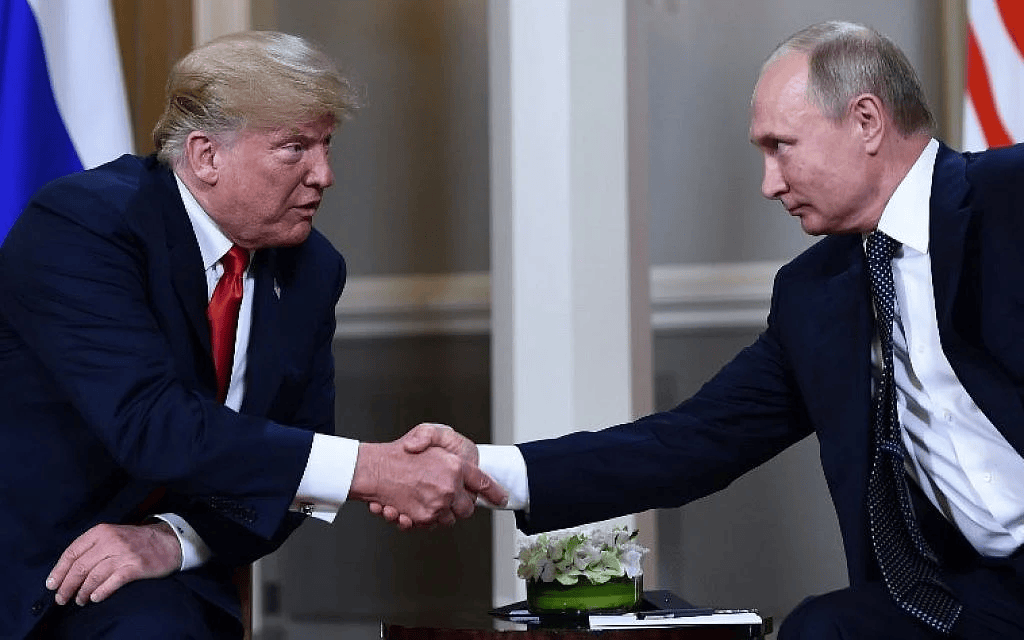 Russia Claims New US Strategy Mirrors Its Own Vision




No Comments