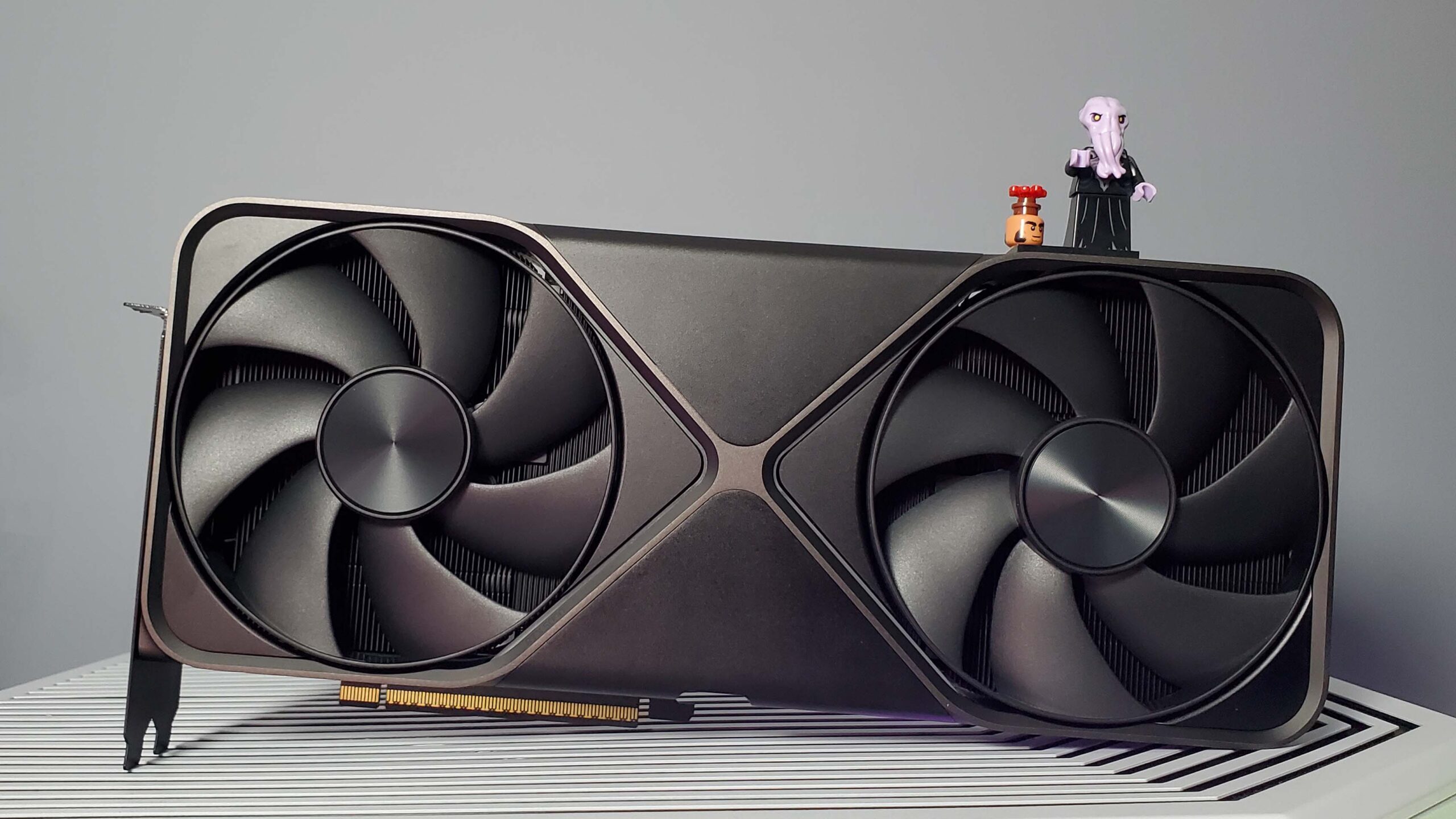
If you’ve been looking for a new graphics card recently, you’ve definitely noticed something alarming: they’re either sold out, ridiculously costly, or both. The massive GPU shortage in 2020-2021 felt like a nightmare, but it eventually resolved. Now, in 2026, we face an even bigger crisis—but this time, the problem isn’t cryptocurrency miners or pandemic-fueled demand. It is artificial intelligence.
Nvidia has reportedly reduced GPU supply to its partners by 15-20%, according to hardware leaker MEGAsizeGPU. That’s a big reduction, and it’s already reflected in price tags. In just three months, the RTX 5090’s price has risen by up to 79% from its debut price of $1,999. The RTX 5080 increased 35%. Even AMD’s Radeon RX 9070 series increased by 15-17%, making it practically impossible to build or upgrade a gaming PC without breaking the budget.
According to experts, the situation is unlikely to improve in the coming weeks, if not months. It might take a whole year or even extend into the next.
AI data centers are consuming gaming GPUs entirely.
Here’s what’s happening. AI businesses are rapidly creating data centers throughout the world, and they require GPUs. There are lots of them. OpenAI’s Stargate project alone expects to invest $500 billion over four years. These data centers don’t just buy a few dozen cards; they buy thousands in bulk, typically at premium pricing that gamers cannot compete with.
Buying high-end gaming GPUs like the RTX 5090 is actually less expensive for small AI teams and companies throughout the world than acquiring specialized AI accelerators like Nvidia’s H100 or H200 series. These commercial CPUs cost between $30,000 and $40,000 per, whereas a top gaming GPU costs around $2,000. When you’re starting an AI company, buying 50 RTX 5090s rather than 10 H100s makes financial sense—even if that means gamers from Tokyo to Toronto can’t get cards.
Nvidia CEO Jensen Huang practically stated that the transition is permanent. During CES 2026, he stated that the future of gaming graphics is “neural rendering” and DLSS technology, rather than standard GPU horsepower. The corporation is clearly prioritizing AI infrastructure above gaming hardware, and markets worldwide are feeling the pinch.
GPUs are disappearing from manufacturing
Asus has already begun placing select RTX 50-series GPUs on “end of life” status. According to Hardware Unboxed, Asus has openly said that the RTX 5070 Ti is facing severe supply problems, which have virtually halted production. The same goes for the RTX 5060 Ti with 16GB of VRAM. Both cards require more memory chips than their lower-tier equivalents, making them more expensive to manufacture when memory supplies are limited.
Nvidia made a carefully worded statement: “The demand for GeForce RTX GPUs is high, and memory supply is limited. “We continue to ship all GeForce SKUs.” Translation: they’re still creating cards, but don’t expect to see many on store shelves throughout the world.
Meanwhile, Nvidia’s customary mid-generation upgrade with beefed-up specifications, the RTX 50 Super series, appears to be dead in the water. These cards often have greater VRAM and faster clock rates, but with memory production already stretched thin, Nvidia cannot allocate resources to create them. There were no Super cards unveiled at CES 2026, and leakers predict that no new Nvidia GPUs will be released until 2027.
The memory crisis is particularly severe since three companies—Samsung, SK Hynix, and Micron—control 93% of worldwide DRAM production. When Samsung and SK Hynix apparently sign contracts to provide OpenAI with up to 900,000 DRAM wafers per month, that’s nearly 40% of global production locked in. There simply isn’t enough left for gaming GPUs, regardless of where you get them.
Older cards are returning from the dead
In an almost desperate attempt, Nvidia is apparently reintroducing the RTX 3060. Yes, the same card that debuted more than five years ago. Despite its age, the RTX 3060 is still the most popular GPU on Steam worldwide, thanks in part to its ability to achieve 60fps in most recent games and also to the fact that gamers just do not have better inexpensive options.
When approached directly by Tom’s Hardware, Jensen Huang did not reject the rumours. He stated that Nvidia “could possibly” bring back previous generation cards and even upgrade them with newer AI features such as the most recent DLSS improvements. It is a band-aid solution, but it demonstrates how serious the issue has grown.
The problem extends beyond Nvidia. AMD is no longer focusing on high-end GPUs, instead altering its strategy to more affordable choices. That leaves the upper end of the market almost exclusively in the hands of Nvidia, which has no motivation to lower costs when competition is low and AI companies are throwing money at anything with VRAM.
Retailers across marketplaces are taking emergency steps. Shops in Japan have begun to limit GPUs to one per client. German suppliers are doing the same. Australian merchants told Hardware Unboxed that RTX 5070 Ti cards are “no longer available to purchase from partners and distributors” and won’t be available until at least the second quarter of 2026—if ever. European prices have risen similarly, with some stores advertising cards at more than three times their initial launch price.
What You Can Do Right Now
The advice for anyone constructing or updating a gaming PC is frustrating regardless of where they live: buy now or wait years. According to industry analysts, GPU shortages will endure until late 2027, and potentially into 2028. New semiconductor fabrication plants take years to develop, and the ones being built by Micron and SK Hynix will not go into full production until at least 2027-2028.
Intel’s Arc B580 and B570 cards are actually good budget options because their prices have dropped while everything else has risen—one of the few bright spots in an otherwise bleak market. However, best of luck finding them. Meanwhile, AMD’s RDNA 4 cards are relatively simple to find, but their prices aren’t cheap.
But what if you can hold off? Wait. The AI bubble could collapse, RAM manufacturing will ultimately catch up, and GPU costs could fall as quickly as they rose. The 2020-2021 shortfall gradually reduced. This one will, too. The question is whether you’re willing to play with a five-year-old card until it does.




 Looking for a GPU for 2026? Here's why you are out of luck






No Comments