After a traumatic 2025 in which the Indian rupee fell to record lows, currency experts predict that 2026 would be a year of stabilisation rather than another leg of rapid depreciation, with the outlook depending on US-India trade negotiations and capital flow direction.
“2025 was the year of rupee bears,” stated Dilip Parmar, Senior Research Analyst at HDFC Securities.
Parmar added that ongoing capital outflows and geopolitical concerns drove the local currency to a new low, making it the region’s worst-performing currency. “Even after multiple steps taken by the government and the central bank, the rupee surrendered to the US dollar amid a demand-supply imbalance,” Parmar said, citing increasing trade deficits and delays in US-India trade treaties as the main drags.
Experts predict that USD/INR will settle in the 88-91.50 area by 2026, with markets carefully following trade discussions and capital movements.
The rupee fell roughly 4.75 percent, while the dollar index experienced one of its steepest annual drops in years.
According to Abhilash Koikkara, EVP and Head of Forex & Commodities at Nuvama Professional Clients Group, this divergence demonstrated the importance of India-specific pressures over global dollar weakening. Record foreign portfolio investor (FPI) equity outflows of roughly $19 billion, prolonged uncertainty over trade negotiations with the United States, and the application of hefty tariffs all weighed severely on mood.
“After defending key levels for over a month, the RBI stepped back, allowing the rupee to become more market-driven, which eventually led to a breach of the 91-per-dollar level for the first time,” according to Koikkara.
While the central bank intervened intermittently to prevent dramatic swings, 2025 was one of the most difficult years for the currency in recent memory.
Despite the significant decline, valuation indications have become more positive. Koikkara said that the rupee’s real effective exchange rate (REER) has fallen to roughly 97.5, below its long-term average and the lowest since 2018, indicating a slight undervaluation. Indian equities markets have also corrected from previously extended levels, paving the way for prospective inflows.
Looking ahead, Koikkara defined the forecast for 2026 as “cautiously constructive rather than outright bullish.” With much of the adjustment complete, a steady appreciation is possible if progress is made on a US-India trade accord and portfolio inflows resume following record withdrawals. “Even a partial return of flows could have a meaningful impact,” he stated!
Global influences will also have an impact. Volatility is projected to continue high due to evolving trade dynamics, AI-driven capital reallocation, and policy uncertainty, which includes US tariff decisions and the selection of the next Federal Reserve Chair. While the Fed is projected to continue easing toward neutrality, different trajectories among major central banks could result in currency volatility early this year.
External buffers enhance comfort in India. India’s strong service exports, consistent remittances, and foreign exchange reserves of about $690 billion provide major support to the currency. Historically, significant rupee movements triggered by capital flow shocks or geopolitical developments have been followed by partial reversals, particularly when speculative pressure eases or RBI support appears.
“In sum, 2025 left the rupee weaker but more competitively valued,” she said. “That sets the stage for stabilisation in 2026, provided policy clarity improves and capital flows begin to normalise.”
With values improving but uncertainty remaining high, the rupee’s course in 2026 is likely to be defined by volatility around important policy and flow-driven triggers rather than a clear direction.




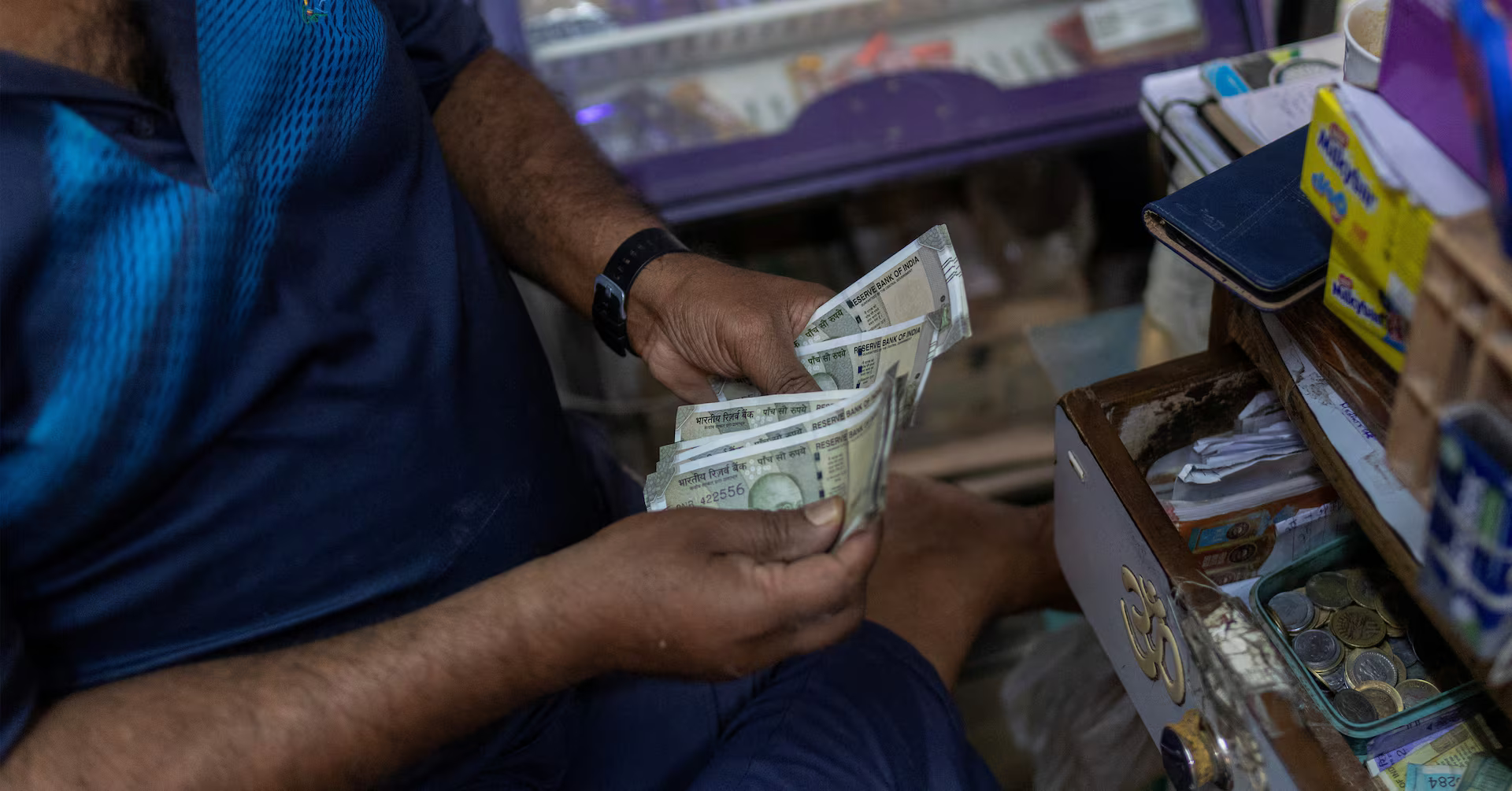 Indian rupee in 2026: Bears may rest a little, but cautious stance may remain





No Comments