Historically, energy security for India, the world’s third-largest oil consumer, has been about navigating current geopolitics while guaranteeing a solid economic return on crude oil imports.
From Saudi Arabia accounting for two-thirds of our oil imports to Russia emerging as the primary source, New Delhi’s crude oil basket has undergone numerous policy changes over the years.
Sourcing From West Asia
Ranjeet Mehta, CEO and Secretary General of the industry association PHDCCI and an observer of India’s energy sector, says that prior to 2005, India relied on West Asia for its oil supplies. More over 70% of the crude oil came from Saudi Arabia, Iraq, Iran, Kuwait, and the UAE.
“Our crude oil supplies saw a gradual broadening from 2005 to 2015 and included supplies from Nigeria and Angola in Africa and Venezuela in South America,” he told me.
Despite this modest expansion, seven West Asian countries accounted for more than 60% of total crude oil imports in 2011-12: Saudi Arabia (17%), Iran (11.3%), Iraq (10.5%), Kuwait (7%), the United Arab Emirates (9%), Oman (3.4%), and Qatar (3.3%).
Oil from the African continent, particularly from Nigeria and Angola, came in a distant second, accounting for approximately 20% of the oil purchased by India during the time.
Tehran challenge
Tehran served as the epicenter of the impending threat to the existing structure at the time.
In June 2010, the United Nations Security Council sanctioned Iran to prevent it from gaining weapons. This was in response to Iran’s overt efforts to expand its nuclear development. Later, in 2011, the United States sanctioned the Central Bank of Iran and threatened to sanction any other country’s bank that purchased Iranian oil.
In May 2011, then-Minister of State for Petroleum and Natural Gas R.P.N. Singh informed Parliament, without mentioning international pressure, that India has reduced its Iranian purchases.
Subsequently, its percentage of India’s crude basket fell to 7.1% in fiscal year 2012-13, 5.8% in 2013-14, 5.7% in 2014-15, and 6.2% in 2015.
The Iranian problem persists.
Iran’s sanctions were withdrawn in 2016 after it demonstrated compliance with the United Nations Security Council’s approved nuclear accord. As a result, India increased its crude oil imports from Iran by 12.7% in 2016-17. This lasted only until 2017, when US President Donald Trump appeared in the Oval Office to impose new sanctions.
In the following years — 2017-18 and 2018-19 — Tehran’s proportion of India’s oil imports declined to slightly more than 10%. In 2019-20, New Delhi reduced its Iranian purchases by 91.8% after diversifying its suppliers, buying more from the United Arab Emirates and increasingly from the United States.
Mr. Mehta observes that now, 8-10% of our oil comes from Africa, 10-12% from the Americas, and the Middle East accounts for 40-45% of our oil imports.
Russian oil enters the basket.
The next significant alteration in India’s basked occurred in 2022. Since February 2022, Moscow’s actions in Ukraine have resulted in several sanctions from the European Union and the United States. China and India, among the world’s largest oil consumers, continued to buy Russian oil, which was now available at a discount.
According to a recent report by India’s Directorate General of Commercial Intelligence and Statistics (DGCIS), Russia has become the largest contributor to India’s basket since FY2022-23. Along with the current discounts, Indian refineries were “well-suited” to handle arrivals from Moscow.
While Russia accounted for less than 2% of India’s crude oil imports in 2021-22, the figure increased to 21.6% in 2022-23. Russia’s share subsequently increased to 35.9% in 2023-24 and 35.8% in 2024-25. Meanwhile, the price of Russian Urals has fallen from $79.41 per barrel in April 2022 to $66.49 per barrel in March this year.
According to DGCIS data, Iraq, Saudi Arabia, and the UAE’s shares fell just little throughout this time period.
Currently, oil from Moscow represents for one-third of the total crude import basket.
India’s Russian acquisitions also have long-term economic implications. According to Kpler, a maritime monitoring and analytics service, limiting Russian imports would be “difficult, costly, and risky” in an October 2025 blog post.
“Substitution would necessitate rapid expansion from many suppliers, at increased costs (freight, lower discounts). If margins tighten or retail prices rise, the outcome might be inflation, political reaction, and worse refinery profitability,” it noted, adding, “Higher-cost oil could also harm domestic operational budgets and put strain on refiner credit lines.”




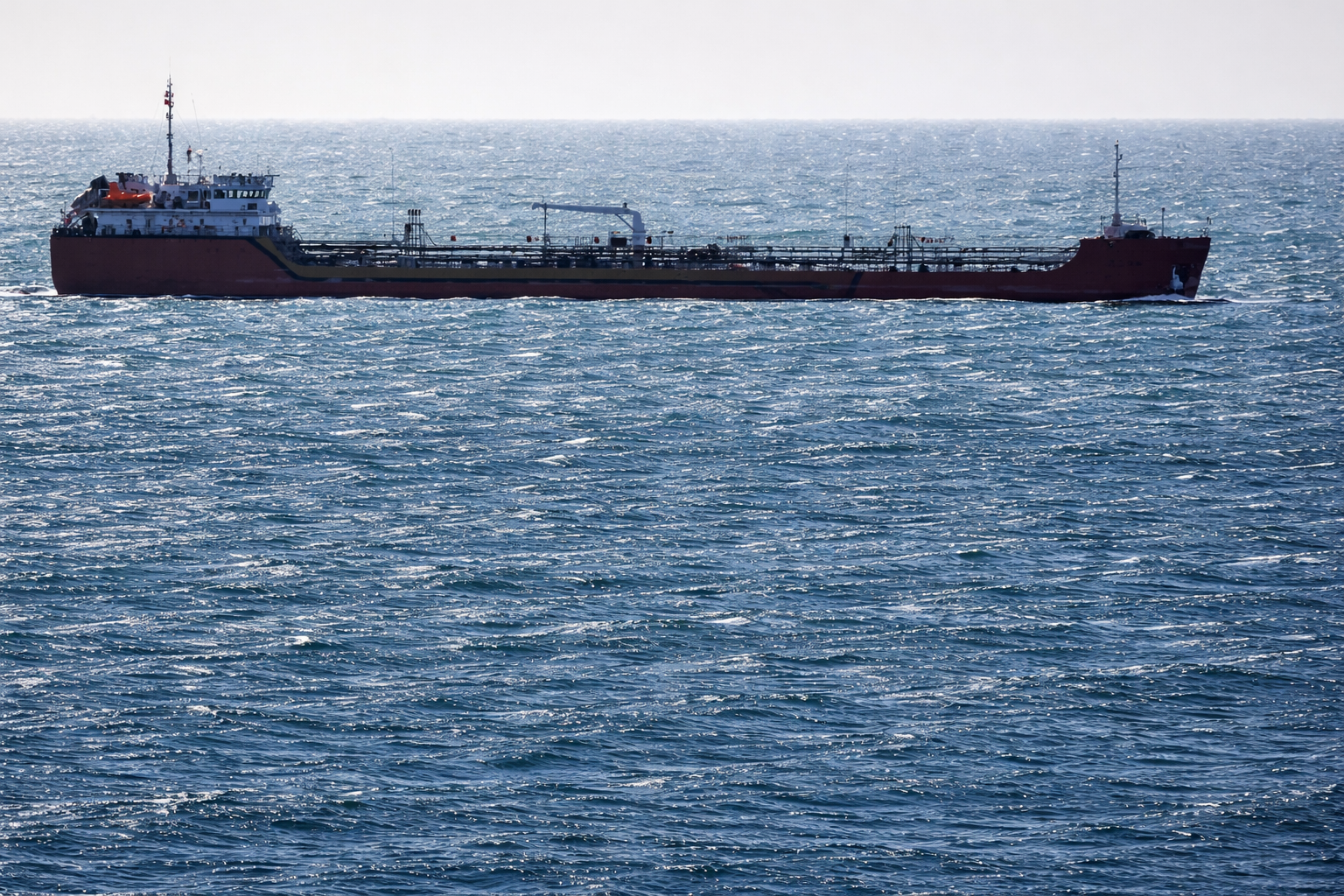 How India's oil basket has altered over time






No Comments