The concept of body positivity has acquired enormous traction, and rightfully so. What exactly does it mean to be body positive? It is a movement that promotes self-love, acceptance, and admiration for all body types, sizes, and skills. Isn’t this what we all want: to love ourselves, give ourselves grace, and be grateful for what our bodies can do? At first look, this movement appears to be both desirable and necessary. However, like with any movement, it is critical to maintain a balance and avoid falling into the trap of extremes. In this post, we’ll look at how negotiating the extremes of “weight focus” and “weight neutrality” might help us find genuine harmony with our bodies.
The Ditches of Extremes
At one extreme, a preoccupation on body weight is exacerbated by the need to adhere to society’s restricted ideals of beauty. From photoshopped magazine covers to faultless social media #fitfluencers, we’re assaulted with images of impossible and false “perfection” everywhere we look. This constant assault of unattainable ideals can cause feelings of inadequacy, low self-esteem, and even disordered eating habits. Obsession with idealized norms can have negative consequences for both physical and mental health.
On the other extreme, we witness the promotion of unhealthy practices under the pretense of body positivity. This can take the shape of a misapplication of the “health at every size” slogan, which minimizes the importance of healthy lifestyle choices under the pretext of body acceptance. While it is critical to embrace diversity and overcome harmful preconceptions, there is also a body of literature linking disease risk to excess adiposity. While it may appear contradictory, acknowledging obesity and its accompanying health hazards does not always contradict the concepts of body acceptance. physical positivity promotes self-acceptance and love, regardless of physical size or shape. It is about acknowledging that all bodies are valued and worthy of respect and dignity.
Furthermore, obesity, like other health disorders, can have detrimental consequences for one’s health. Ignoring or downplaying these dangers can have negative consequences. Promoting body positivity should not imply rejecting or ignoring the potential health implications of obesity.
Consider taking a more holistic approach to health, including physical, mental, and emotional well-being. So, how do you find balance among these extremes? It all starts with changing your perspective from one of comparison and criticism to one of compassion and self-care. Instead of focusing on how your body looks in comparison to others, consider how it feels and what it is capable of doing. Celebrate your body’s power, resilience, and growth potential, and emphasize fueling yourself with nutritious foods, remaining active in ways that make you happy, and engaging in self-care rituals that honor your body and mind.
Walking Toward the Harmonious Middle
Navigating the middle ground between weight-centric and weight-neutrality is difficult, and the road will be unique for each person. Each individual will have their own “leanings” and viewpoints on how they want to achieve whatever their goals are. That’s okay. As your voyage begins (or continues), consider the following steps for calibrating your compass, using the abbreviation I.N.S.P.I.R.E.
I = Ignore Extremes: Consider your “why” and look for compassionate, significant, and relevant reasons to engage in the activities that feel most comfortable to you.
N = No single right answer: What works for your partner, colleague, or neighbor may not work for you.
S = Set boundaries: Limit your exposure to media and social media content that promotes unrealistic beauty standards or evokes unpleasant emotions. Instead, surround yourself with supportive friends, family, and communities that value variety and encourage body positivity.
P = Practice self-compassion: Take some time to think on your ideas and feelings about your body. Observe any negative self-talk or damaging thoughts that emerge. Then, challenge unreasonable beauty standards by asking where they came from and how they affect your self-image. Finally, speak to yourself as you would a friend!
I = Illuminate your plate: Prioritize healthy foods that will fuel your body and improve your overall well-being. Aim for a balanced diet that includes fruits, vegetables, whole grains, lean proteins, and healthy fats. Listen to your body’s hunger and fullness cues. Eat carefully, relishing each bite, and quit when satisfied.
R = Reach out for help: If you’re battling with body image or disordered eating, talk to a therapist, counselor, or healthcare professional. You may also choose to engage with a qualified health coach, registered nutritionist, or fitness specialist who may offer tailored advice and support on your path to better health and wellness.
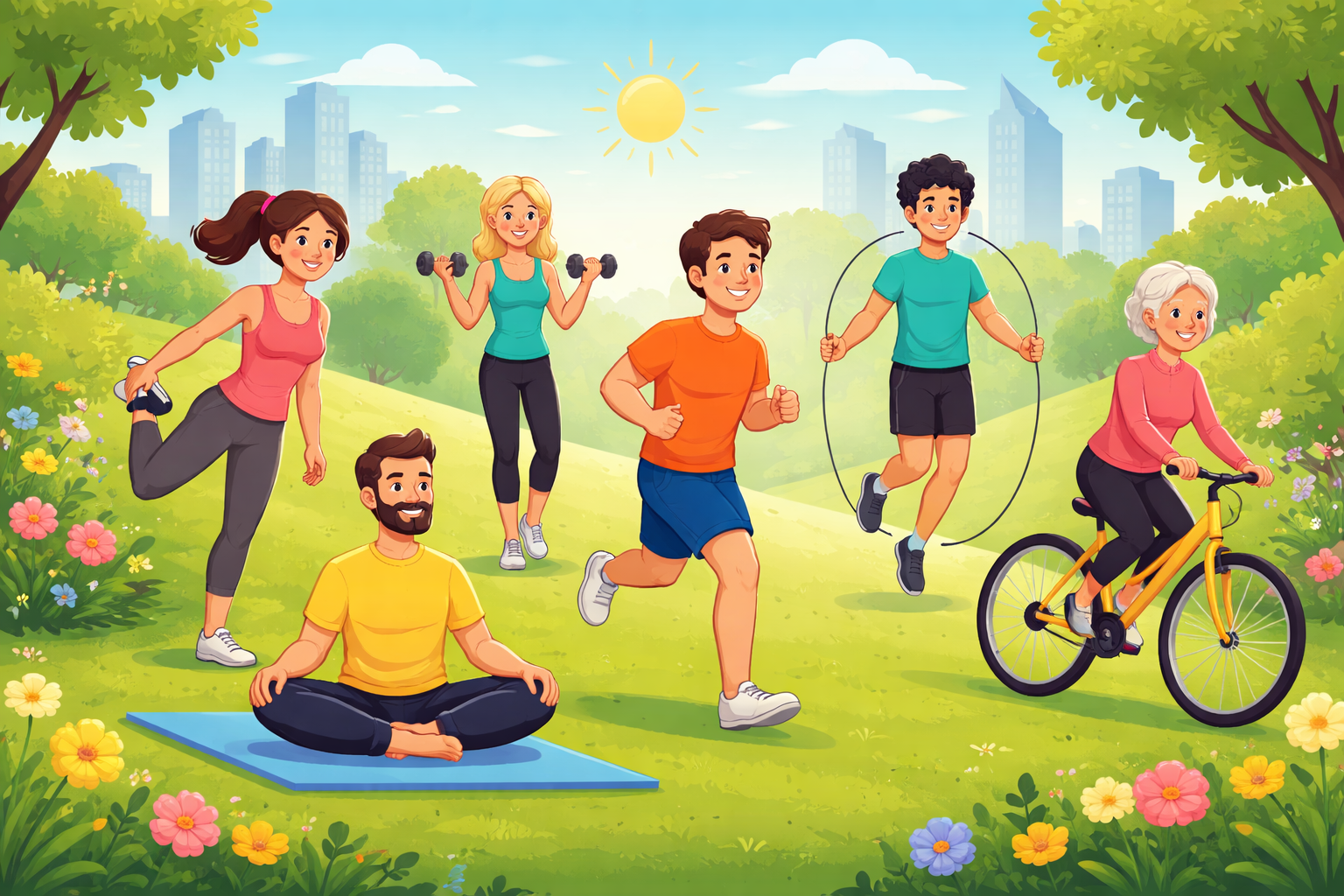
E = Enjoy movement: Discover physical activities that you enjoy and make you feel good. Choose activities that bring you joy and contentment, such as dancing, hiking, yoga, swimming, or any of the many different ways to exercise your body. Change your perspective from viewing exercise as a way to change your body to seeing exercise as a way to honor and care for your body.
Above all, achieving harmony with your body demands love, patience, and self-compassion. It’s an ongoing process of self-discovery and acceptance. Together, let us push all sides of this debate and work to build a world in which each individual approach to self-care is valued because it is unique to us.




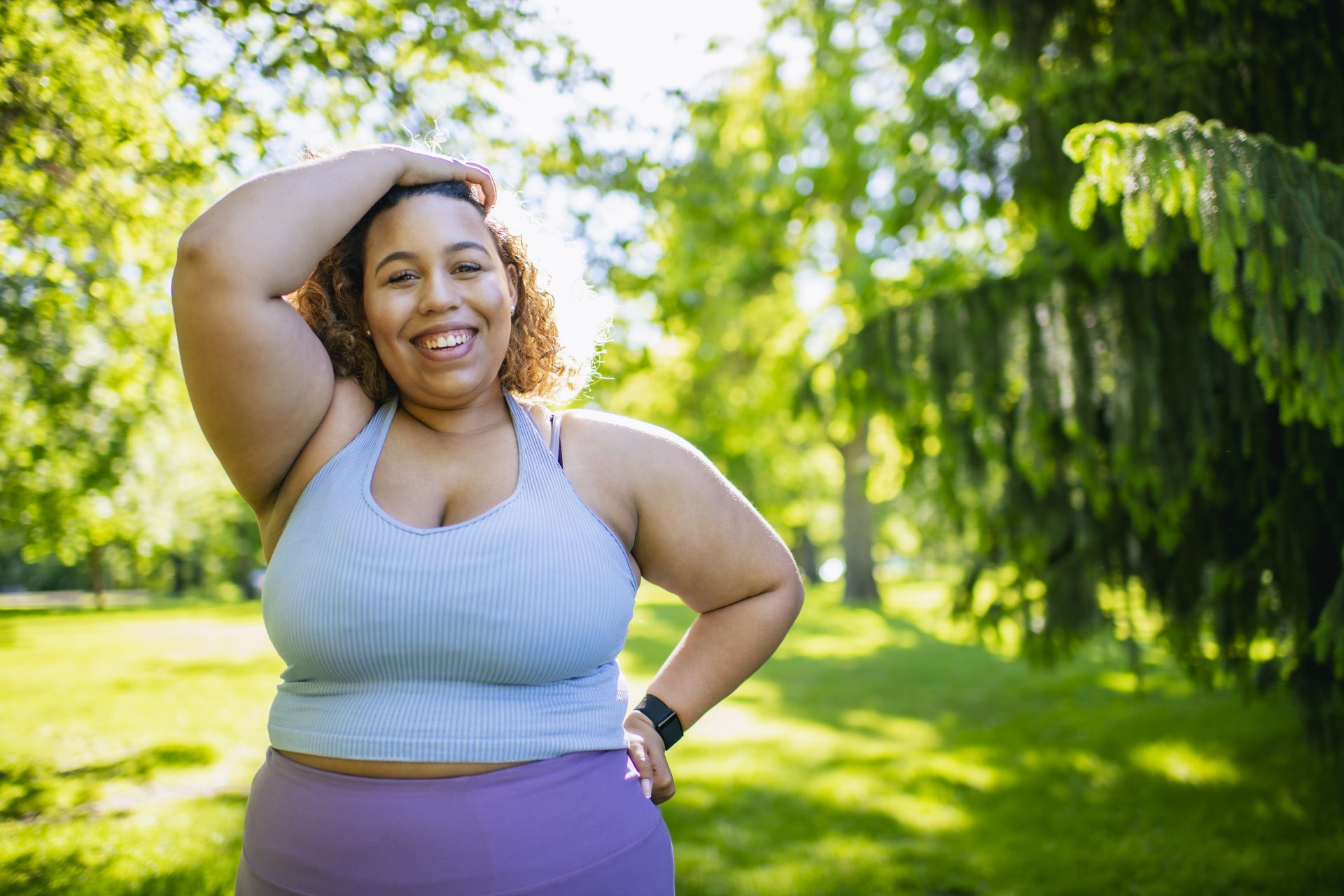 Body Positivity: Finding a Balance






No Comments