
Real Estate News
MahaRERA Clears 10,379 Projects; MMR Leads the Boom


According to official data, the Maharashtra Real Estate Regulatory Authority (MahaRERA) approved 10,379 real estate projects in Maharashtra during fiscal year 2025-26, with nearly half (5,494) in the Mumbai Metropolitan Region (MMR) and 3,566 in the Pune region.
During the same period, MahaRERA registered 4,204 projects, approved adjustments for 2,488 projects, and extended 3,687 projects.
Complaint disposal also increased significantly, with a 19% higher resolution rate in 2025 as the regulator concentrated on resolving pending cases.
District-level data
According to official data, the Pune district approved 3,150 projects, followed by Thane (1,714), Mumbai suburban (1,696), Mumbai City (375), Raigad (939), Palghar (568), Nagpur (474), Nashik (454), Sambhaji Nagar (155), Kolhapur (145), Satara (145), and Ratnagiri (134).
However, while Pune leads district-wise, when the entire Mumbai Metropolitan Region (MMR) is considered, overall registrations rise to 5,494, with 3,566 in the entire Pune region, 563 in Vidarabha, which comprises Nagpur and Wardha, among others, and 723 from the remainder of Maharashtra, according to the data.
Complaint disposal rate increased by 19%.
According to official data, the authority resolved 6,045 homebuyer complaints in 2025, up from 5,073 in the previous year, as it prioritised settling older unresolved cases.
On March 16, MahaRERA stated that the complaint-disposal percentage in its first seven years ranged between 50% and 70%. This has since increased dramatically, with the overall disposal rate reaching 127% and possibly 137% in 2025 alone.
Since its beginning, 10,235 complaints have been lodged, with 13,003 disposed of, indicating a significant improvement in case resolution.
According to MahaRERA data, 1,324 complaints were reported in 2017, with a 27% disposal rate. In 2018, there were 4,253 complaints, and the disposal rate improved to 56%.
In 2019 and 2020, there were 4,376 and 3,049 complaints, with 71% and 53% of them resolved, respectively. In 2021, 3,554 complaints were registered, with a 57% disposal rate; in 2022, 3,312 complaints were filed, and the disposal rate increased to 79%.
In subsequent years, MahaRERA received 4,006 complaints in 2023, 3,868 in 2024, and 5,073 in 2025. The disposal rates in these years increased to 70%, 123%, and 137%, demonstrating a significant improvement in case resolution.
Is MahaRERA permission required for project changes and timeframe extensions under the RERA Act?
According to MahaRERA, obtaining its clearance is required for any modifications or extensions under the requirements of the Real Estate (Regulation and Development) Act of 2016. Developers must also seek regulatory clearance for any changes or additions to the project plans provided at the time of registration.
Furthermore, at the registration step with MahaRERA, developers must specify a certain completion date for the housing project. “During the execution of any project, regardless of the reason, the developer must acquire MahaRERA clearance for a timeline extension. If this method is not followed, the project is labelled as ‘lapsed’, which has a negative impact on its progress. As a result, asking for an extension from MahaRERA is required to finish the project. From the standpoint of homebuyers, the developers must get MahaRERA’s clearance for the project’s repair and extension,” MahaRERA stated.

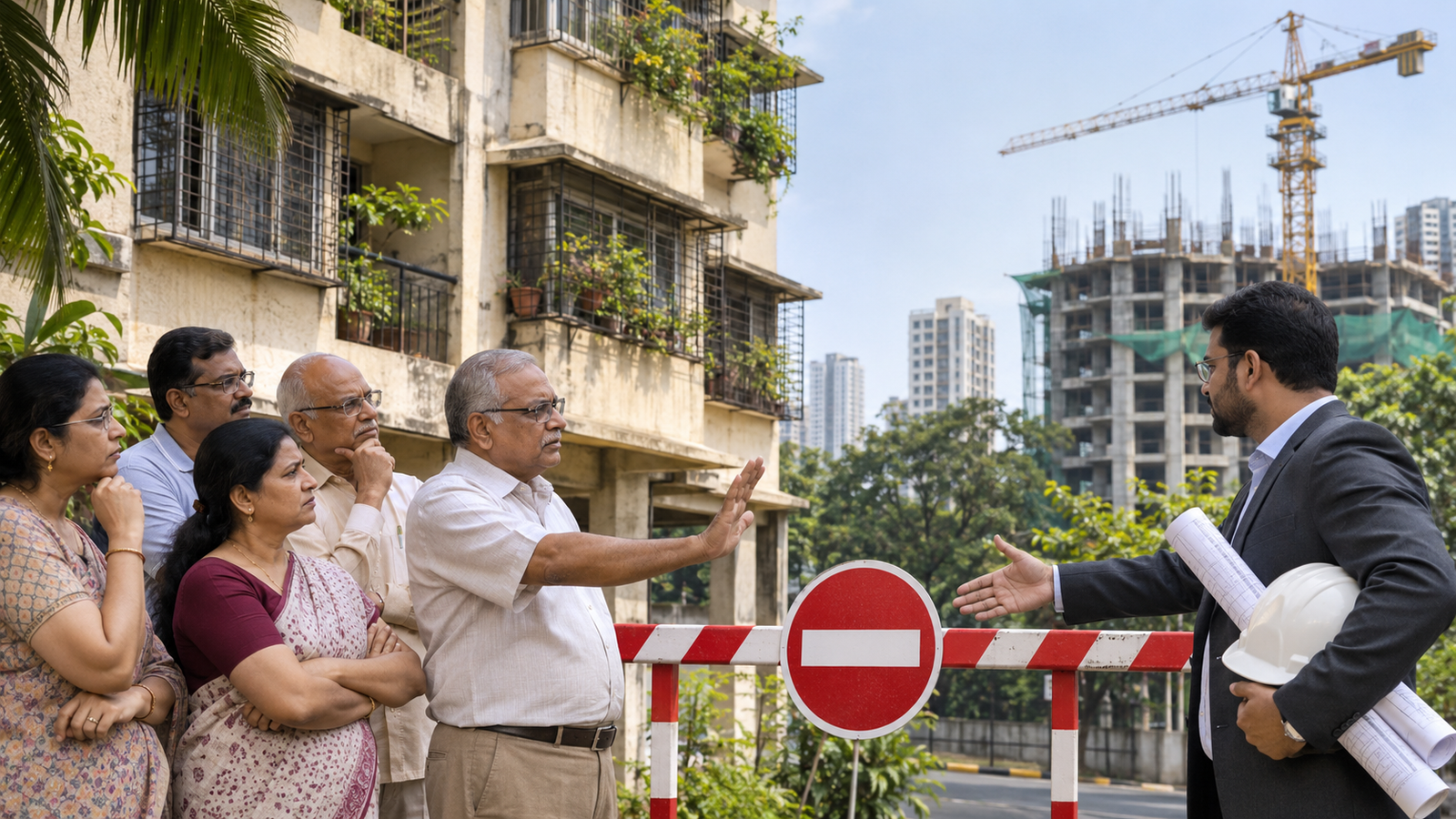
The Maharashtra government has introduced stricter rules for cooperative housing society redevelopment, prohibiting managing committee members, office-bearers and their relatives from becoming developers of their own society’s redevelopment project. The provision aims to prevent conflicts of interest, reduce the possibility of corruption and ensure that redevelopment decisions are taken in the interest of all society members. The restriction is part of the revised redevelopment framework issued by the Cooperation Department under Section 79A of the Maharashtra Cooperative Societies Act, 1960, on September 30, 2026.
New Rules for Housing Society Redevelopment
Under the revised framework, housing societies must follow a more transparent procedure while selecting developers. A Special General Body Meeting (SGM) must have a two-thirds quorum, and the redevelopment proposal requires approval from at least 51% of the society’s total membership. Societies must also invite competitive bids from at least three developers. The selection meeting will take place in the presence of an authorised officer appointed by the cooperative registrar, and the proceedings must be video-recorded. Members can also demand secret-ballot voting if at least 20% of the society’s members request it.
Two-Year Deadline for Redevelopment Projects
The government has also introduced a time-bound framework to prevent unnecessary delays in redevelopment. Projects are generally required to be completed within two years from the date of the foundation or plinth certificate, with an extension of up to three years allowed in exceptional circumstances. The revised rules also prescribe timelines for executing Development Agreements and Permanent Alternative Accommodation Agreements (PAAA). These changes are expected to strengthen accountability among developers and managing committees while giving residents greater transparency and protection during redevelopment.
Impact on Mumbai Housing Societies
The new rules could have a significant impact on thousands of cooperative housing societies across Mumbai and the Mumbai Metropolitan Region (MMR), where redevelopment has become an important route for replacing ageing buildings. By restricting committee members and their relatives from becoming developers, the government aims to reduce conflicts of interest and prevent influential individuals from controlling redevelopment decisions. The framework also seeks to ensure that residents have a stronger role in selecting developers, reviewing project documents and protecting their housing rights.
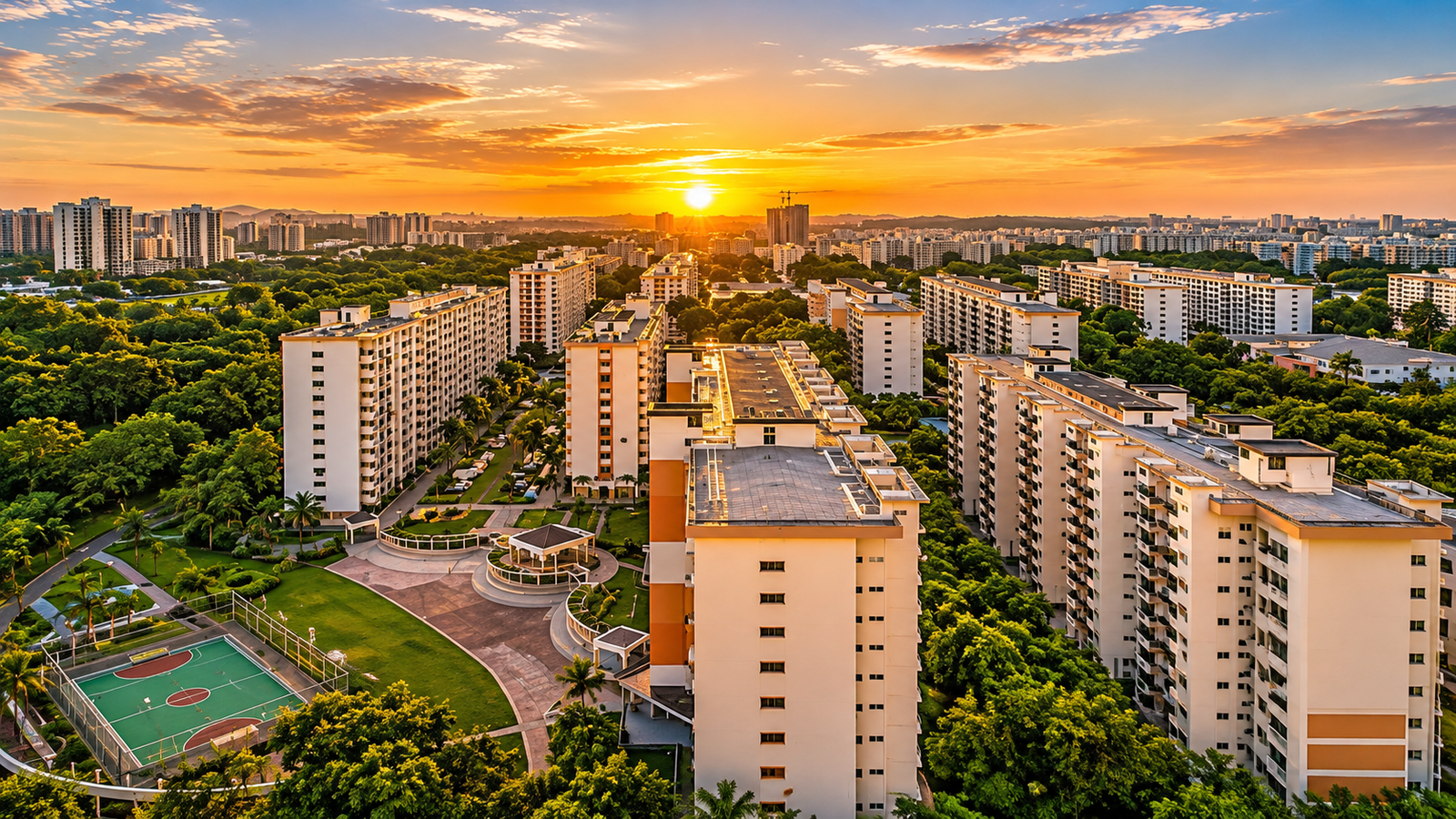
The Navi Mumbai Municipal Corporation (NMMC) has intensified its property tax recovery drive, issuing pre-seizure notices to 2,515 property owners over outstanding tax payments. The action forms part of a special enforcement campaign targeting persistent defaulters who have failed to clear their dues despite repeated reminders from the civic administration.
According to officials, the corporation has issued seven-day pre-seizure notices to 2,008 properties, while another 507 properties have received 48-hour notices. Following the enforcement action, 182 property owners cleared their outstanding dues, resulting in a recovery of ₹14.35 crore. The civic body has warned that continued non-payment could lead to further legal proceedings, including property seizure and auction, in accordance with applicable municipal provisions
NMMC property tax recovery drive intensifies
The special recovery campaign was launched in September to target property owners with repeated payment defaults. The corporation is seeking to improve collections and recover outstanding revenue required to support civic infrastructure and municipal services.
As of October 27, NMMC had collected ₹546 crore against its annual property tax collection target of ₹1,200 crore for the financial year 2026–27.
The corporation is prioritising industrial and commercial properties in the current phase of enforcement. A separate drive targeting residential property tax defaulters is also planned.
What happens after receiving a property seizure notice?
Under the recovery procedure outlined by the civic body, property owners first receive a seven-day pre-seizure notice. If the dues remain unpaid, a subsequent 48-hour notice may be issued.
Continued default could result in seizure proceedings and, where legally applicable, auction proceedings to recover outstanding taxes.
Property owners who have received notices are therefore being advised to verify their outstanding amounts and clear pending payments within the specified period.
Which Navi Mumbai areas recorded the highest property tax collections?
Nerul recorded the highest property tax collection among NMMC’s administrative divisions, with ₹104.34 crore. Koparkhairane followed with ₹98.37 crore, while Turbhe and Ghansoli recorded ₹95.82 crore and ₹95.44 crore, respectively.
The corporation also reported that approximately 97.5% of property tax payments were made through online channels, indicating the growing use of digital payment facilities among property owners.
Why property tax collection matters for Navi Mumbai
Property tax is an important source of revenue for municipal corporations. These collections help fund roads, drainage networks, sanitation, street lighting, public infrastructure and other essential civic services.
NMMC Commissioner Kailas Shinde has directed the property tax department to intensify recovery efforts and work towards meeting the annual collection target.
The enforcement drive highlights the importance of timely property tax payments for residential, commercial and industrial property owners across Navi Mumbai.
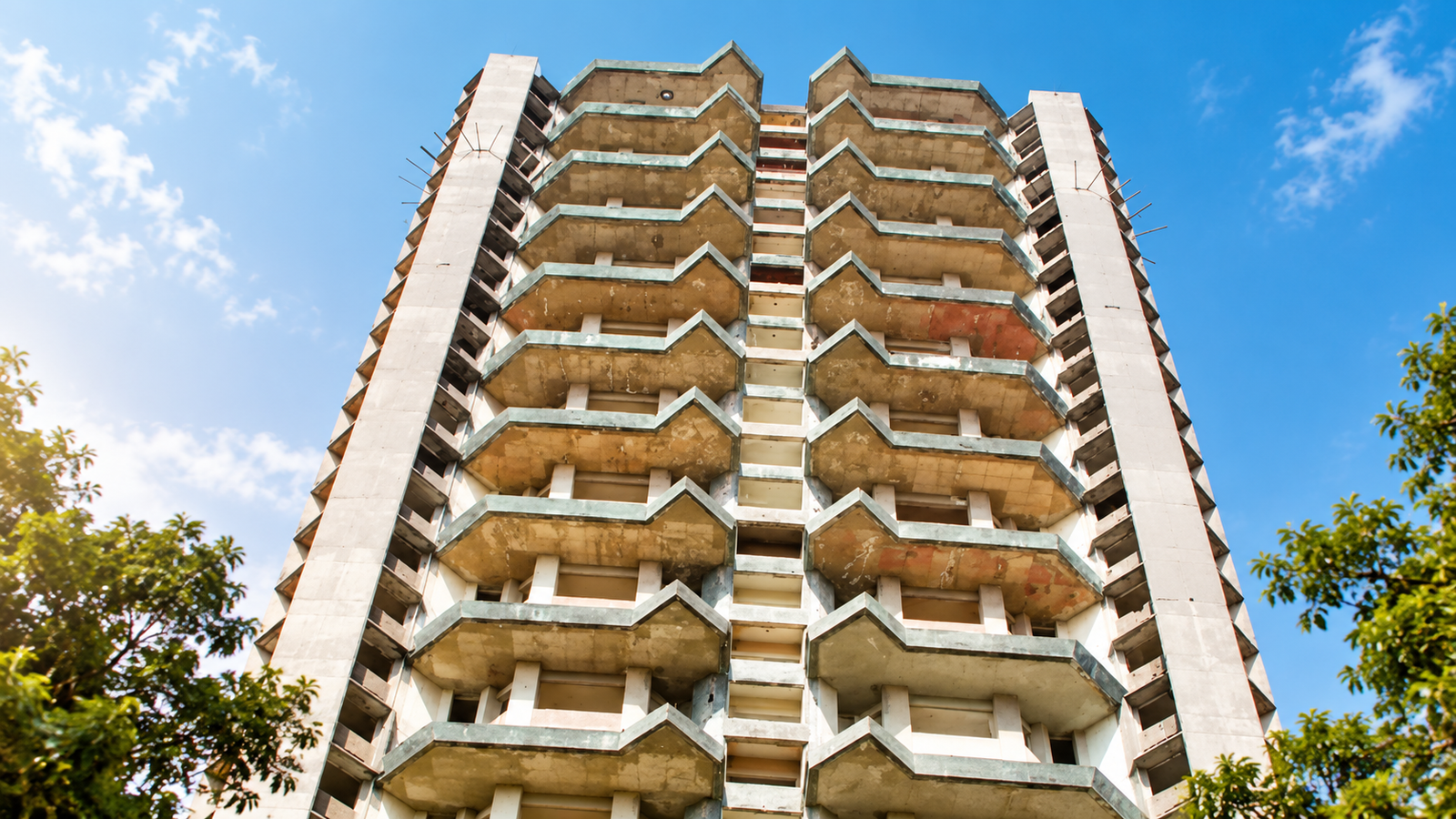
One of Mumbai’s most controversial real estate sites is preparing for a new chapter. The former Pratibha Tower site in Breach Candy, South Mumbai, is proposed to be redeveloped into a 179.4-metre residential skyscraper, replacing a property historically associated with construction violations and a major controversy dating back to 1984.
From Controversy to Redevelopment
Pratibha Tower became widely known as Mumbai’s “Tower of Corruption” following allegations of serious construction irregularities in the 1980s. The building was eventually demolished after years of legal proceedings, leaving behind a site with a complicated development history.
The proposed redevelopment now aims to transform the location into a modern residential high-rise.
What Is Planned for the New Tower?
The proposed building will feature a basement, ground floor, mezzanine level and six podium floors.
According to the reported development plans:
- Building height: Approximately 179.4 metres
- Residential apartments: Floors 8 to 32
- Amenities: 33rd floor
- Location: Breach Candy, South Mumbai
- Development type: High-rise residential redevelopment
The project is expected to introduce new residential inventory in one of Mumbai’s premium neighbourhoods.
Why Is This Redevelopment Significant?
Breach Candy remains a sought-after residential location because of its established neighbourhood, connectivity and proximity to South Mumbai’s major commercial districts.
The proposed tower also highlights how long-disputed urban properties can potentially return to productive use through redevelopment, subject to the necessary approvals.
What Happens Next?
The project’s progress will depend on applicable regulatory permissions, construction approvals and execution timelines.
If completed, the redevelopment would mark a significant transformation of a site closely associated with Mumbai’s real estate history.

Pharma company buys Mumbai luxury duplex for over ₹236 crore

Maharashtra Bars Society Members from Becoming Developers

Mumbai’s Floating Billboards Spark Controversy

43,000 Homes Unsold in Navi Mumbai Amid Buyer Slowdown

Bengaluru Tops Housing Price Growth at 14.5% in Q3 2026

Vijayta Raheja Applauds India’s ₹4 Lakh Crore Urban Vision at ET Maharashtra Business Summit
-
 Real Estate News7 months ago
43,000 Homes Unsold in Navi Mumbai Amid Buyer Slowdown
-
 Commercial Real Estate7 days ago
Bengaluru Tops Housing Price Growth at 14.5% in Q3 2026
-
 Real Estate News6 months ago
Vijayta Raheja Applauds India’s ₹4 Lakh Crore Urban Vision at ET Maharashtra Business Summit
-

 New Projects & Launches7 months ago
K Raheja & IHG Team Up to Elevate Powai’s Hospitality Landscape
-
 Real Estate News7 months ago
Mumbai’s Largest MHADA Redevelopment Drive Set to Transform 923 Acres
-

 Global Real Estate7 months ago
Spanish Youth Hostel Group Considers London Real Estate Deals
-

 NRI Real Estate7 months ago
Will NRI Investments Drive Mumbai Housing?
-

 NRI Real Estate7 months ago
How NRIs Are Driving India’s Property Market?