The Ahoms amazed history with their early years of existence in league status with Sukapha to the kingdom when finally lived under Purandar Singha, demonstrating a great balance of military electrical strength, strategic diplomacy, and national cohesion. Thus, for competitive tests, a thorough understanding of the Ahom dynasty’s kings, administrative reforms, and significant conflicts is necessary.
Ahom Kingdom History
Sukapha created the Ahom Kingdom in 1228, and it was a powerful and long-lasting dynasty that ruled over a large portion of Assam for about 600 years, from 1228 to 1826. The kingdom is famous for its distinct administrative and military techniques, which enabled it to withstand foreign invasions, particularly those from the Mughals.
The Ahom rulers not only expanded their territory, but also worked to unite the numerous surrounding tribes into a coherent and culturally rich kingdom. This combination of diplomatic and military strength provided the groundwork for a united Assam.
Key historical developments in the Ahom Kingdom include the following:
The founding of the Ahom State: Sukapha’s diplomacy with indigenous tribes, assimilation efforts, and the creation of the capital at Charaideo.
Confrontation with the Mughals: The Ahoms successfully withstood successive Mughal invasions, particularly under the leadership of Lachit Borphukan during the Battle of Saraighat in 1671.
Administrative Innovations: Pratap Singha’s Paik system established a strong foundation for Ahom governance, assuring a well-organized labor force and excellent tax collection.
Cultural Patronage: The Ahoms, especially during the reigns of Rudra Singha and Gadadhar Singha, promoted the development of Assamese art, architecture, and literature.
Complete List of Ahom Kings
SL. NO.
King’s Name
Years of Reign
Capital
1
Sukapha
1228–1268
Charaideo
2
Suteupha
1268–1281
Charaideo
3
Subinpha
1281–1293
Charaideo
4
Sukhangpha
1293–1332
Charaideo
5
Sukhrangpha
1332–1364
Charaideo
6
Sutupha
1364–1376
Charaideo
–
Interregnum
1376–1380
–
7
Tyaokhamti
1380–1389
Charaideo
–
Interregnum
1389–1397
–
8
Sudangpha
1397–1407
Charaguya
9
Sujangpha
1407–1422
–
10
Suphapha
1422–1439
–
11
Susenpha
1439–1488
–
12
Suhenpha
1488–1493
–
13
Supimpha
1493–1497
–
14
Suhungmung
1497–1539
Bakata
15
Suklengmung
1539–1552
Garhgaon
16
Sukhampha
1552–1603
Garhgaon
17
Susengpha (Pratap Singha)
1603–1641
Garhgaon
18
Surampha
1641–1644
Garhgaon
19
Sutyinpha
1644–1648
Garhgaon
20
Sutamla (Jayadhwaj Singha)
1648–1663
Garhgaon
21
Supungmung
1663–1669
Garhgaon
22
Sunyatpha
1669–1673
–
23
Suklampha
1673–1675
–
24
Suhung
1675
–
25
Gobar
1675
–
26
Sujinpha
1675–1677
–
27
Sudaipha
1677–1679
–
28
Sulikpha
1679–1681
–
29
Supatpha (Gadadhar Singha)
1681–1696
Barkola
30
Sukhrumpha (Rudra Singha)
1696–1714
Rangpur
31
Sutanpha
1714
–
32
Bor Raja Phuleswari
1714–1731
–
33
Bor Raja Ambika
1731–1738
–
34
Siva Singha
1738–1744
–
35
Sunenpha
1744–1751
–
36
Surampha
1751–1769
–
37
Sunyeopha
1769–1780
–
38
Suhitpangpha
1780–1795
Jorhat
39
Suklingpha
1795–1810
Jorhat
40
Sudinpha
1810–1818
Jorhat
41
Purandar Singha
1818–1819, 1833–1838
Jorhat
Key Rulers and their Contributions
1. Sukapha (AD 1228-1268) is the founder of the Ahom Dynasty.
An empire-inspired playground dust-ruffle site.
Remembered for merging with the local tribes and founding the Ahom state.
2. Suhungmung (1497–1539)
He introduced the first Hindu title, Dihingia Raja, also known as Swarganarayan.
He moved the capital to Batea and expanded political administrative structures there.
3. Pratap Singha (Susengpha) (1603–1641)
Implemented the Paik system, a labor-centric administration framework.
Reinforced the army, which resisted the Mughal assault.
4. Jayadhwaj Singha (Sutamla), 1648–1663.
They successfully defended their kingdom in the face of a Mughal invasion led by Aurangzeb.
Won back the land taken by the Mughals.
5. Gadadhar Singha (Supatpha), 1681–1696
After advancing to Vijaynagar, he continued to dispossess the enemy and establish peace – a warrior king who restored order and supported Vaishnavism in his kingdom.
6. Rudra Singha (Sukhrumpha, 1696-1714)
Known for his support of art and architecture, particularly the construction of Rangpur Palace.
Diplomatic links with neighbouring kingdoms have been expanded.
7. Purandar Singha (1818-1819; 1833-1838).
The final monarch of the Ahom dynasty, his reign marked the end of Ahom authority and the start of British influence after the Treaty of Yandabo.
Key Administrative Innovations and Battles
Paik System
It was a labor-based system that was specifically developed to enable effective administration of people through categories of labour units.
Battle of Saraighat (1671).
Lachit Borphukan led his Ahom warriors to their last triumph over the Mughals on the Brahmaputra River. This remains one of the finest examples of naval warfare in Indian history.
How to Prepare Ahom History for Competitive Exams
Sukapha, Pratap Singha, and Rudra Singha are the three major rulers.
Remember important battles: The Battle of Saraighat and the Mughal Wars are often asked questions on the exam.
Understand the Paik System: This should be a component of administration-related questions.
Conclusion
The Ahom rulers represent resilience, diplomacy, and governance. Their ability to resist external assaults and maintain cultural unity demonstrate that they are effective administrators. When it comes to regional and medieval Indian history exams, key rulers, as well as their contributions and administrative innovations, are the way to go.



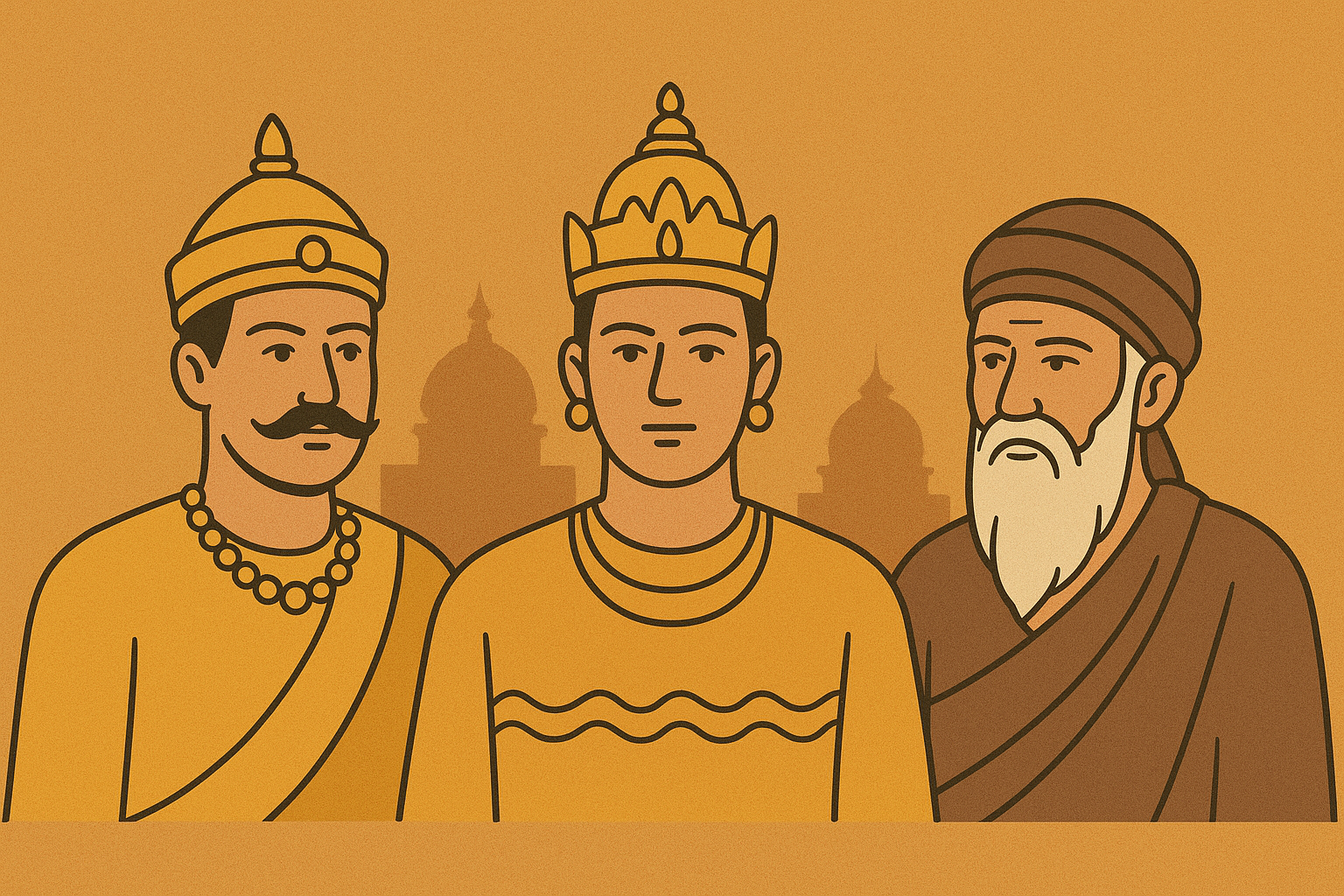 Rulers of the Ahom Kingdom: Key Insights for Competitive Examinations






No Comments